
Bitcoin vs Ethereum: Which is Better for Beginners
- 22 Dec 2025

Introduction: Bitcoin vs Ethereum for Beginners
When new investors enter cryptocurrency, the first big question is often: Should I start with Bitcoin or Ethereum? These two dominate the market, representing over 70% of total crypto market capitalization in late 2025.
Searches like “bitcoin vs ethereum for beginners” and “which is better btc or eth 2026” show how common this dilemma is. Both are excellent starting points, but they serve different purposes and carry different risk profiles.
This guide breaks down the key differences in simple terms. By the end, you will understand what each offers, the pros and cons for beginners, and how to decide based on your goals.
Strengthen your foundation with our crypto terminology glossary and learn foundational concepts in what is cryptocurrency.
Core Purpose and Philosophy
Bitcoin (BTC)
Launched in 2009 by Satoshi Nakamoto, Bitcoin was created as peer-to-peer electronic cash — a decentralized alternative to traditional money. Its primary role today is as digital gold: a store of value with a fixed supply.
Ethereum (ETH)
Launched in 2015 by Vitalik Buterin, Ethereum is a programmable blockchain. Its native token ETH powers the network, but the real innovation is smart contracts — self-executing code that enables decentralized applications.
| Aspect | Bitcoin | Ethereum |
|---|---|---|
| Primary Purpose | Digital money / Store of value | Programmable platform / World computer |
| Supply | Capped at 21 million coins | No hard cap (inflation controlled) |
| Block Time | ~10 minutes | ~12 seconds |
| Main Use Cases | Payments, hedging inflation | DeFi, NFTs, dApps, staking |
Technology and Consensus
Bitcoin uses Proof of Work, requiring massive energy to secure the network. This makes it extremely secure but slower and more energy-intensive.
Ethereum transitioned to Proof of Stake in 2022, allowing users to stake ETH to validate transactions. This is faster, more energy-efficient, and enables passive earning through staking.
For beginners, Ethereum’s faster confirmations mean quicker transactions in everyday use.
Market Position and Adoption in 2026
Bitcoin remains the undisputed leader:
- Highest market cap by far.
- Widely accepted by institutions and payment processors.
- Often viewed as a macro asset alongside gold.
Ethereum powers the majority of decentralized finance and Web3 activity:
- Hosts most DeFi protocols, NFTs, and layer-2 scaling solutions.
- Growing institutional interest through staking and ETFs.
Both have spot ETFs approved in major markets, increasing accessibility.
Risks and Volatility
Both assets are volatile, but patterns differ.
Bitcoin tends to lead market cycles. Major price moves often start with BTC.
Ethereum can experience higher percentage swings due to its exposure to DeFi and developer activity. During bull markets, ETH sometimes outperforms BTC significantly.
Pros and Cons for Beginners
Bitcoin Pros
- Simpler concept to understand.
- Strongest brand recognition and network security.
- Lower risk of fundamental protocol changes.
- Often seen as safer long-term store of value.
Bitcoin Cons
- Limited functionality beyond holding and transferring.
- Higher transaction fees during congestion.
- No native yield (unless wrapped in other products).
Ethereum Pros
- Exposure to innovation and growth sectors.
- Ability to earn staking rewards.
- Faster and cheaper transactions on layer-2 networks.
- More diverse ecosystem.
Ethereum Cons
- More complex (gas fees, layer-2 choices).
- Higher risk from smart contract vulnerabilities.
- Ongoing upgrades can introduce uncertainty.
Which Should Beginners Buy First?
There is no universally correct answer — it depends on your goals.
Choose Bitcoin if you want:
- The safest, most established asset.
- Simple exposure to crypto as an inflation hedge.
- Lower maintenance approach (buy and hold).
Choose Ethereum if you want:
- Participation in the growing Web3 ecosystem.
- Potential for higher growth (and higher risk).
- Opportunity to learn about staking and dApps.
Many experienced investors recommend starting with Bitcoin for its simplicity, then adding Ethereum once comfortable.
A balanced approach: Allocate 60-70% to Bitcoin and 30-40% to Ethereum for diversification with reduced complexity.
How to Buy Either Safely
Both are available on all major exchanges.
Follow our step-by-step guides:
- How to buy crypto
- How to buy crypto with credit card or PayPal
- Compare platforms in our best crypto exchanges review
After purchase, secure your assets using recommendations from our best crypto wallets for beginners.
Long-Term Outlook in 2026 and Beyond
Bitcoin continues maturing as a global reserve asset. Scarcity from halving events and institutional adoption support long-term appreciation.
Ethereum benefits from network upgrades improving scalability and reducing fees. Continued growth in DeFi, gaming, and real-world asset tokenization drives demand.
Both have strong cases for long-term holding.
Conclusion: Start with Your Goals in Mind
Bitcoin and Ethereum are not competitors — they complement each other. Bitcoin offers stability and simplicity; Ethereum offers innovation and utility.
Most beginners benefit from owning both eventually. If choosing one first, Bitcoin’s lower complexity makes it slightly more beginner-friendly.
Avoid common errors covered in our 10 biggest crypto mistakes and maintain emotional discipline using insights from our crypto investing psychology guide.
Whichever you choose, start small, learn continuously, and secure your investment properly. Welcome to cryptocurrency — you have picked two of the strongest foundations available.
Stay in the loop →
Powered by EverRank, and created by GalaxyBuilt
Get Weekly DeFi Alpha in Your Inbox
Weekly DeFi Alpha
56k+ traders getting my private newsletter every week
Join To Download our Ebook Free
Read Next_
Best Crypto Debit Cards That Pay Rewards in 2026
Beginner-friendly guide to the best crypto debit cards in 2026, featuring cashback, token rewards, and real-world usability.
Best Crypto Wallets for Beginners: Top Picks and Reviews
Choosing the right crypto wallet is crucial for security and ease of use. This 2026 guide reviews the best crypto wallets for beginners, comparing software, hardware, and mobile options with pros, cons, and setup tips.
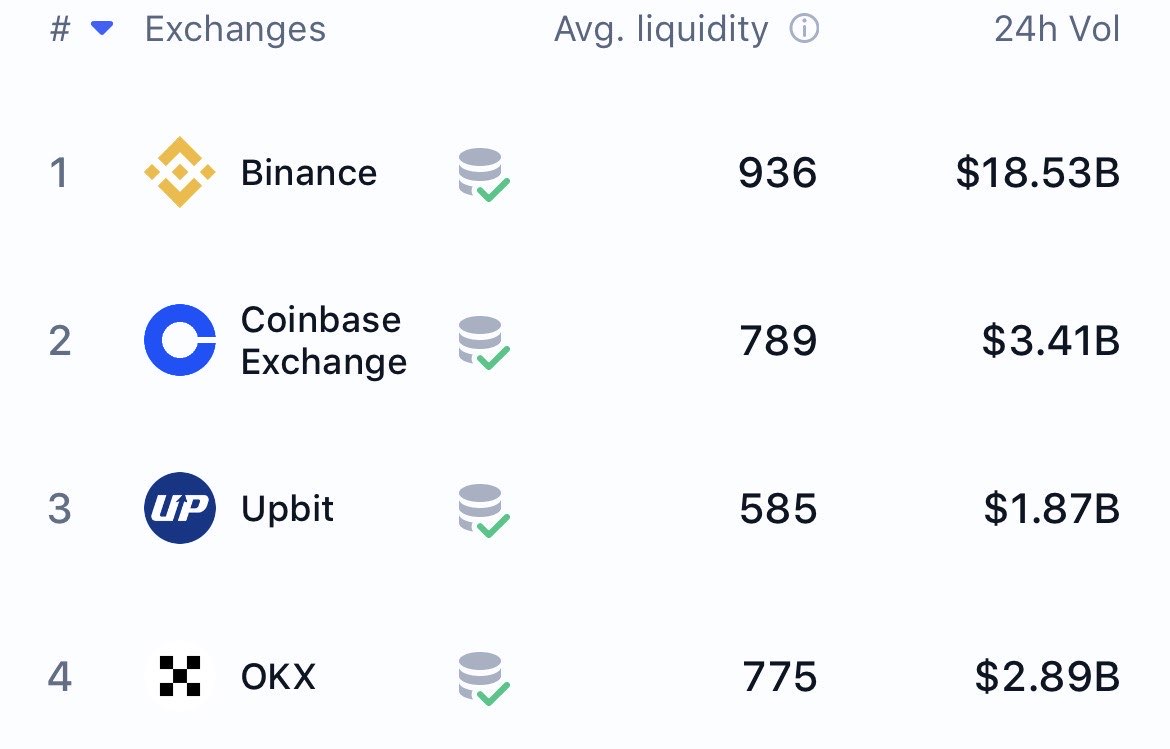
The Best Crypto Exchanges (CEX + DEX) for Bitcoin, Ethereum & Solana + Altcoins (Global + US)
Updated for 2026: Compare the top centralized + decentralized exchanges with the lowest fees, biggest bonuses, and most altcoins. Full rankings for global, US, and DEX users — includes referral links to claim up to $30,000+ in bonuses.