
Crypto Fees Explained: Gas, Network Fees, Slippage, and Hidden Costs
- 30 Dec 2025

Crypto Fees Explained: Gas, Network Fees, Slippage, and Hidden Costs
Crypto fees can be confusing and intimidating for beginners. Whether you are sending Bitcoin, trading Ethereum, launching memecoins, minting NFTs, or swapping tokens, fees are everywhere. Understanding the different fee types, their impact, and strategies to reduce them is essential to avoid losing money unnecessarily.
This guide covers network fees, gas, slippage, bridge costs, hidden costs, and practical tips for beginners, plus a detailed comparison of fees across major blockchains.
1. What Are Crypto Fees?
Crypto fees are payments made to network validators or miners to process and secure transactions. Every blockchain requires resources to:
- Verify transactions
- Execute smart contracts
- Maintain consensus and security
Think of fees as the cost of using a decentralized network. Unlike banks, you pay only for the computational work, not hidden overhead. But fees vary widely depending on blockchain type, transaction complexity, and network demand.
2. Ethereum Gas Fees
Ethereum uses gas fees to power transactions and smart contract execution.
2.1 How Gas Works
- Gas is a unit measuring computational effort.
- Each operation in a transaction consumes gas; the more complex the transaction, the more gas required.
- Users pay gas in ETH, and miners prioritize higher-paying transactions.
2.2 Typical Costs
- Sending ETH: ~$1–$5 at normal demand, $20+ during congestion
- Swapping tokens on Uniswap: $10–$50+ depending on network load
- Minting NFTs: $50–$200+ at peak demand
Tip: Beginners should start with small transfers to understand costs. Learn wallet setup here: Set Up Your First Wallet
3. Solana and Low-Fee Chains
Solana, Avalanche, Cardano (ADA), and other high-throughput chains offer low-cost transactions.
| Blockchain | Average Fee per Transfer | Notes for Beginners |
|---|---|---|
| Solana (SOL) | $0.00025 | Ideal for frequent transfers and memecoin activity |
| Cardano (ADA) | ~$0.20 | Fixed fee structure, slower than Solana but reliable |
| XRP | ~$0.0004 | Extremely low fees, fast settlement |
| Bitcoin (BTC) | ~$1–$5 | Fees spike during congestion; ideal for large transfers |
| Ethereum (ETH) | ~$1–$50 | High fees during peak demand; smart contract interactions expensive |
3.1 When Low Fees Matter
- Sending small amounts: Avoid Ethereum during congestion
- Launching memecoins: Low fees reduce friction for participants
- NFTs: Minting on Solana or Cardano is cheaper than Ethereum
Learn tools to track fees during memecoin launches: Tools
4. Exchange and Platform Fees
Centralized exchanges add withdrawal and swap fees on top of network fees.
- Withdrawal fees vary per exchange (Binance, Coinbase, Kraken).
- Swap fees are sometimes hidden in price differences (slippage).
- Bridges between blockchains can charge 0.1%–1%+ per transfer.
4.1 Hidden Costs
- Approval transactions for ERC-20 tokens (Ethereum) require gas.
- Failed transactions still consume gas.
- Layer 2 networks (Arbitrum, Optimism) may have additional fees when moving funds on/off Ethereum.
5. Slippage Explained
Slippage is the difference between expected and executed price in a swap or trade.
- Happens in low-liquidity tokens or new memecoins.
- Higher slippage = you pay more than expected.
- Mitigation: Adjust slippage tolerance in wallets or DEX settings, use large liquidity pools.
6. NFT Fees
NFTs add additional fee layers beyond simple transfers:
- Minting Fees: Paid in blockchain native token (ETH, SOL, ADA).
- Marketplace Fees: Platforms like OpenSea or Magic Eden charge 2.5–5%.
- Transfer Fees: Moving NFTs between wallets incurs network gas.
Example:
| Blockchain | Minting Fee Example | Notes |
|---|---|---|
| Ethereum | $50–$200+ | Gas depends on network congestion |
| Solana | ~$0.01–$0.10 | Extremely low, beginner-friendly |
| Cardano | ~$0.20 | Affordable and reliable |
| Polygon | ~$0.01–$1 | Layer 2 for Ethereum, cheap and fast |
Beginner Tip: Mint NFTs on low-fee chains if experimenting to avoid overspending.
7. Why Fees Exist: Beyond Transfers
Fees aren’t just for sending coins—they are essential for network security and creation of new assets.
- Transaction validation: Incentivizes miners/validators
- Smart contracts: More complex logic = more computation = higher fees
- NFT minting: Requires recording unique metadata on-chain
- Token creation: Even creating a new token costs gas (Ethereum: ~$100–$500+)
Fees are like a toll for using decentralized infrastructure. Ignoring them can lead to losses, especially when experimenting with small amounts.
8. Comparison Table: Fees Across Major Chains
| Blockchain | Send BTC/Coin | Swap/DEX Fee | Smart Contract/Token Creation | NFT Minting | Notes |
|---|---|---|---|---|---|
| Bitcoin (BTC) | $1–$5 | N/A | Limited | N/A | Best for value transfer, not DeFi |
| Ethereum (ETH) | $1–$50+ | $10–$50+ | $50–$500+ | $50–$200+ | High fees, very secure, largest DeFi ecosystem |
| Solana (SOL) | $0.00025 | ~$0.001 | ~$0.01 | ~$0.01 | Fast, low-cost, ideal for memecoins and NFTs |
| Cardano (ADA) | ~$0.20 | ~$0.20 | ~$0.50 | ~$0.20 | Low, predictable, slower than Solana |
| XRP | ~$0.0004 | ~$0.0004 | Limited | Limited | Ultra-low fees, fast |
| Polygon (MATIC) | ~$0.01–$1 | ~$0.01–$1 | ~$0.05 | ~$0.05 | Layer 2 on Ethereum, cheaper alternative |
Beginner takeaway: Understand which blockchain fits your use case—high-value transfers, NFT experiments, or memecoin launches.
9. Strategies to Reduce Fees
- Use low-fee chains: Solana, Cardano, XRP, Polygon.
- Batch transfers: Combine multiple transactions where possible.
- Use Layer 2: Ethereum layer 2 networks reduce gas costs.
- Avoid peak times: Gas spikes during high network activity (weekends, market events).
- Check slippage settings: Avoid hidden costs when swapping tokens or providing liquidity.
Start small, track costs, and integrate fees into your memecoin or NFT strategy: Tools
10. Beginner Takeaways
- Fees are unavoidable, but understanding them prevents overspending.
- Different blockchains have radically different fee structures—choose wisely for memecoins, NFTs, or transfers.
- Slippage and hidden costs matter for swaps, token launches, and liquidity provision.
- Plan and track using portfolio tools (Portfolio Tracking Guide).
- Integrate fees into your first 30-day crypto roadmap (Your First 30 Days in Crypto: A Beginner Roadmap).
11. Recommended Cluster Links
- Set Up Your First Wallet – Secure wallet basics
- How Crypto Transactions Actually Work: From Click to Confirmation – Understanding blockchain mechanics
- How to Track Your Crypto Portfolio as a Beginner – Track fees and holdings
- Tools for Memecoin Launches – Monitor swaps, gas, and slippage
- What Are Stablecoins and Why Beginners Should Care – Reduce volatility when paying fees
- What is DeFi? A Simple Beginner’s Guide to Decentralized Finance – Fees in lending, DEX swaps, and yield strategies
Conclusion
Crypto fees are complex but understandable. Beginners must know:
- Network fees for transfers and transactions
- Gas fees for smart contracts
- Slippage and swap costs for DEX trades
- NFT and token creation costs
- Hidden costs in approvals and retries
By choosing the right blockchain, timing transactions, and using tracking tools, beginners can significantly reduce expenses while exploring memecoins, NFTs, and DeFi safely.
Understanding fees is essential for budgeting, strategy, and long-term success in crypto.
Stay in the loop →
Powered by EverRank, and created by GalaxyBuilt
Get Weekly DeFi Alpha in Your Inbox
Weekly DeFi Alpha
56k+ traders getting my private newsletter every week
Join To Download our Ebook Free
Read Next_
Best Crypto Debit Cards That Pay Rewards in 2026
Beginner-friendly guide to the best crypto debit cards in 2026, featuring cashback, token rewards, and real-world usability.
Best Crypto Wallets for Beginners: Top Picks and Reviews
Choosing the right crypto wallet is crucial for security and ease of use. This 2026 guide reviews the best crypto wallets for beginners, comparing software, hardware, and mobile options with pros, cons, and setup tips.
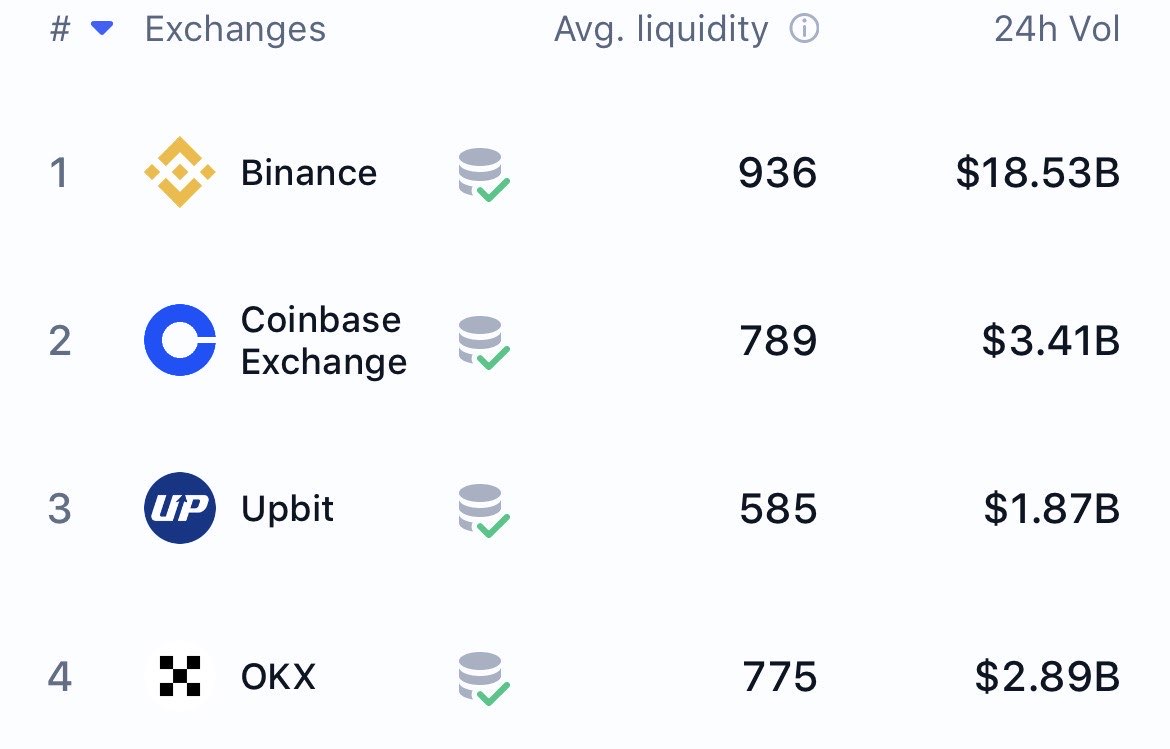
The Best Crypto Exchanges (CEX + DEX) for Bitcoin, Ethereum & Solana + Altcoins (Global + US)
Updated for 2026: Compare the top centralized + decentralized exchanges with the lowest fees, biggest bonuses, and most altcoins. Full rankings for global, US, and DEX users — includes referral links to claim up to $30,000+ in bonuses.