
Crypto Investing Psychology: Mastering Emotions and Avoiding FOMO as a Beginner
- 22 Dec 2025

Introduction to Crypto Investing Psychology
Cryptocurrency markets are uniquely demanding on an investor’s emotions. Extreme volatility, 24/7 trading, and constant social media hype create an environment where feelings often override logic. Many beginners enter expecting quick gains, only to face sharp drawdowns that test their resolve.
Searches for “crypto psychology,” “avoid FOMO crypto,” and “crypto investing mindset” reflect how frequently newcomers struggle with the mental side of the game. In 2026, with maturing markets and greater mainstream participation, emotional discipline remains one of the biggest differentiators between long-term success and costly mistakes.
This guide examines the core psychological challenges in crypto investing. It explains why emotions run high, identifies the most common mental traps, and provides actionable strategies to develop a resilient mindset. Mastering these principles early helps you navigate bull runs and bear markets with greater confidence.
Build your foundation with our crypto terminology glossary and understand key pitfalls in our 10 biggest crypto mistakes beginners make. When ready to act, explore secure options in our best crypto wallets guide.
Why Crypto Triggers Strong Emotions
Several factors make cryptocurrency investing psychologically intense:
- High Volatility: Prices can swing 10-20% in a single day, far exceeding traditional assets.
- Constant Accessibility: Markets never close, leading to over-monitoring and impulsive decisions.
- Social Amplification: Platforms like X and Reddit spread narratives rapidly, fueling collective euphoria or fear.
- Asymmetric Information: New projects and announcements create perceived urgency.
- Life-Changing Potential: Stories of massive gains heighten expectations and risk tolerance.
These elements activate ancient brain responses designed for survival, not modern investing.
Common Psychological Traps in Crypto
1. FOMO (Fear of Missing Out)
Watching prices rise rapidly while sitting on the sidelines triggers anxiety about missing profits. This often leads to buying at peak prices.
Real-world example: Many newcomers bought Bitcoin near its all-time highs during past cycles, only to experience prolonged drawdowns.
2. Panic Selling
Sharp drops activate loss aversion—the pain of losses feels twice as intense as the pleasure of equivalent gains. Investors sell at lows to stop the emotional discomfort.
3. Greed and Overconfidence
After a winning streak, investors increase position sizes or chase riskier assets, believing they have superior skill.
4. Confirmation Bias
Seeking information that supports existing positions while ignoring contradictory evidence.
5. Anchoring
Fixating on past prices (e.g., “It was $60,000 before, so it must return there”) rather than evaluating current fundamentals.
6. Recency Bias
Overweighting recent events when predicting the future.
7. Sunk Cost Fallacy
Holding losing positions longer than rational because of prior investment.
Strategies to Build Emotional Discipline
Developing a strong mindset requires deliberate practice. Implement these approaches consistently.
Create and Follow a Plan
Define your investment goals, risk tolerance, and strategy before entering positions. Write them down.
- Decide allocation percentages across assets.
- Set entry and exit rules in advance.
- Determine position sizing based on portfolio percentage, not dollar amounts.
A clear plan reduces impulsive decisions during emotional periods.
Use Dollar-Cost Averaging (DCA)
Invest fixed amounts at regular intervals regardless of price. This removes timing pressure and averages entry costs over time.
DCA particularly helps beginners avoid FOMO buys at peaks.
Limit Exposure to Noise
Reduce constant price checking and social media consumption.
- Check portfolios weekly rather than daily.
- Curate information sources to reputable analysis rather than hype channels.
- Use price alerts only for predefined levels.
Practice Emotional Awareness
Journal trades and emotions. After each decision, note:
- What triggered the action?
- How did you feel before and after?
- Was the decision plan-based or emotional?
Reviewing patterns builds self-awareness.
Reframe Volatility
View drawdowns as normal market behavior rather than personal failure. Historical data shows Bitcoin and major assets recover from significant corrections.
Take Profits Systematically
Set rules for realizing gains (e.g., sell 20% after 2x return). This counters greed and provides psychological wins.
Start Small
Begin with amounts you can afford to lose. Smaller stakes reduce emotional intensity while learning.
Diversify Thoughtfully
Spread across quality assets to reduce stress from any single position.
Long-Term Mindset vs Short-Term Trading
Most beginners benefit from a long-term approach focused on fundamentals rather than daily price action. Short-term trading amplifies emotional challenges and requires advanced skills.
Prioritize understanding technology, adoption trends, and network effects over predicting short-term moves.
Real-World Application in 2026
Current market conditions include:
- Greater institutional participation providing stability.
- Improved regulatory clarity in major jurisdictions.
- Maturing infrastructure reducing technical risks.
These developments reward patient, disciplined investors more than ever.
Tools and Resources for Mental Resilience
- Portfolio trackers with limited notifications.
- Communities focused on education rather than hype.
- Books on behavioral finance (e.g., classics on investor psychology).
- Meditation or mindfulness practices for general emotional regulation.
Conclusion: Emotions Are the Real Edge
Technical knowledge and strategy matter, but emotional control often determines long-term outcomes in crypto. The investors who succeed over multiple cycles are those who master their psychology.
Implement one or two strategies from this guide immediately. Small consistent improvements compound significantly.
With a solid mindset, you are prepared to act wisely. Choose secure storage with our best crypto wallets recommendations, start safely via our how to buy crypto guide, and avoid pitfalls outlined in our common mistakes article.
Crypto investing is a marathon. Build discipline early, stay patient, and let rational decisions guide your journey through 2026 and beyond.
Stay in the loop →
Powered by EverRank, and created by GalaxyBuilt
Get Weekly DeFi Alpha in Your Inbox
Weekly DeFi Alpha
56k+ traders getting my private newsletter every week
Join To Download our Ebook Free
Read Next_
Best Crypto Debit Cards That Pay Rewards in 2026
Beginner-friendly guide to the best crypto debit cards in 2026, featuring cashback, token rewards, and real-world usability.

Best Crypto Wallets for Beginners: Top Picks and Reviews
Choosing the right crypto wallet is crucial for security and ease of use. This 2026 guide reviews the best crypto wallets for beginners, comparing software, hardware, and mobile options with pros, cons, and setup tips.
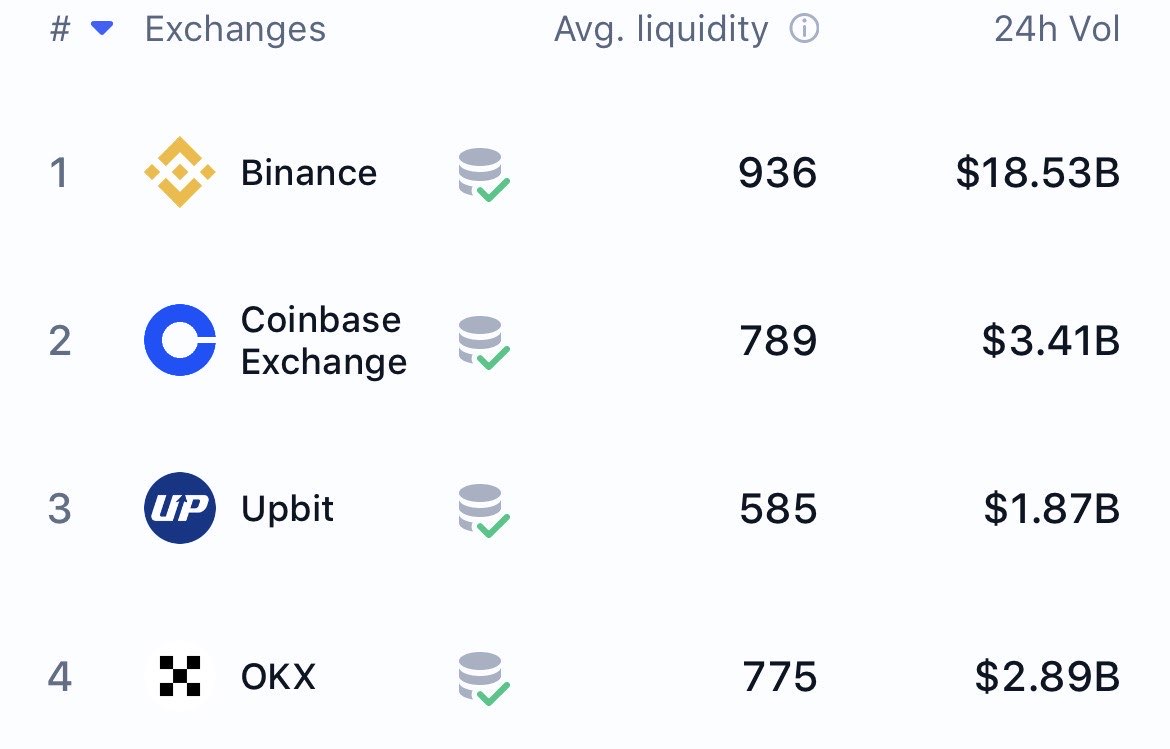
The Best Crypto Exchanges (CEX + DEX) for Bitcoin, Ethereum & Solana + Altcoins (Global + US)
Updated for 2026: Compare the top centralized + decentralized exchanges with the lowest fees, biggest bonuses, and most altcoins. Full rankings for global, US, and DEX users — includes referral links to claim up to $30,000+ in bonuses.