
Crypto Scams Explained: How Beginners Actually Get Wiped
- 30 Dec 2025

Crypto Scams Explained: How Beginners Actually Get Wiped
Entering the crypto world is exciting, but it’s also a minefield of scams. Beginners are especially vulnerable, often losing funds due to phishing attacks, fake airdrops, malicious smart contracts, and social engineering. The good news is that awareness and preparation are your best defense.
This guide will explain the most common scams, provide real-life examples, and give actionable steps to protect your funds. By the end, you’ll have a checklist for safe crypto practices and links to cluster articles that expand your knowledge of wallets, DeFi, and portfolio management.
1. Phishing Scams
Phishing remains the number one way beginners lose crypto. Attackers try to trick you into revealing your private keys, seed phrases, or passwords.
Common phishing methods:
- Emails pretending to be exchanges or wallets: They often use urgent language (“Your account is locked!”) with links to fake websites.
- Fake websites: These look identical to real wallets or exchanges, but any login attempt sends your credentials to scammers.
- Browser pop-ups and fake MetaMask notifications: These can trick you into signing malicious transactions.
Prevention Tips:
- Always type URLs manually or use official bookmarks.
- Enable 2FA on every platform.
- Never share your seed phrase under any circumstance.
- Learn more about crypto wallet setup in Set Up Your First Wallet.
2. Fake Airdrops
The idea of free tokens is appealing, which makes fake airdrops one of the oldest crypto scams. Scammers entice beginners by promising high-value tokens in exchange for signing a smart contract or sharing private information.
Red Flags:
- Unsolicited messages claiming “you won tokens!”
- Requests to approve contracts or transfer crypto to claim your “airdrop.”
- Social media posts from accounts that look official but are fake.
Safe Practices:
- Verify airdrops via official project channels.
- Never approve unknown contracts; check them with tools like Tools for Scam Protection & Memecoins.
- Start small on test networks before interacting with mainnet projects.
- For beginners, see What to Do Before You Buy Your First Crypto to understand safe participation.
3. Approval Drainers
Approval drainers are malicious contracts that request unlimited access to your tokens. Once approved, they can drain your entire wallet in seconds.
Examples:
- Connecting to a fake decentralized exchange (DEX) and approving token swaps.
- Interacting with meme tokens or low-liquidity DeFi projects that ask for “infinite approval.”
How to Protect Yourself:
- Check and revoke approvals regularly using services like revoke.cash.
- Limit approvals to specific amounts instead of infinite.
- Keep your main wallet offline or in a hardware wallet for high-value assets.
- Learn about wallet security in Best Crypto Wallets for Beginners: Top Picks and Reviews.
4. Social Engineering Attacks
Social engineering scams rely on trust, not code. Scammers impersonate friends, influencers, or support staff via:
- Telegram and Discord DMs
- Twitter/X messages
- Fake “support” requests asking you to send crypto to solve issues
Tips to Avoid Getting Tricked:
- Never act under pressure. Scammers often create urgency.
- Verify identities through official channels.
- Avoid clicking links in DMs from unknown sources.
- Always double-check any token sale or trade in How to Track Your Crypto Portfolio as a Beginner.
5. Advanced Scam Examples
- Rug Pulls in DeFi: Developers abandon a project and drain liquidity, leaving investors with worthless tokens.
- Imposter Tokens: Scammers create tokens mimicking popular coins or NFTs.
- Pump & Dump Schemes: Coordinated hype artificially inflates token prices, then collapses the market.
- Malicious Smart Contracts: Hidden functions allow hackers to steal funds even after legitimate transactions.
For learning about avoiding these, explore our Do I Have to Pay Taxes on Crypto? A Beginner’s Reality Check, which covers DeFi-specific scam risks.
6. Beginner Takeaways
- Start with awareness: Knowledge of scams prevents panic and mistakes.
- Test with small amounts: Use tiny amounts to interact with wallets, DEXs, or airdrops.
- Integrate safety practices early: What to Do Before You Buy Your First Crypto is an essential starting point.
- Use tracking and compliance tools: Automate wallet monitoring via Tools for Scam Protection & Memecoins.
- Secure wallets: Consider hardware wallets for long-term storage. Learn more in Best Crypto Wallets for Beginners: Top Picks and Reviews.
- Follow cluster guides: Keep reading Crypto Fees Explained and How to Track Your Crypto Portfolio as a Beginner for ongoing education.
7. Recommended Resources & Cluster Links
- Set Up Your First Wallet – Wallet setup for safety
- Crypto Fees Explained – Understand transaction costs
- Tools for Scam Protection & Memecoins – Portfolio and approval monitoring
- Best Crypto Wallets for Beginners: Top Picks and Reviews – Secure storage and hardware wallet guide
- What to Do Before You Buy Your First Crypto – Step-by-step beginner safety
- Your First 30 Days in Crypto: A Beginner Roadmap – Beginner roadmap
- How to Track Your Crypto Portfolio as a Beginner – Compliance and tracking guide
- Do I Have to Pay Taxes on Crypto? A Beginner’s Reality Check – Beginner’s guide to crypto taxes
Final Thoughts
Crypto scams evolve daily, but most are preventable with knowledge, vigilance, and small-step experimentation. Protecting your wallet, checking approvals, and verifying every link or transaction is non-negotiable. Use this article and the cluster guides as your safety foundation for entering crypto confidently.
Stay in the loop →
Powered by EverRank, and created by GalaxyBuilt
Get Weekly DeFi Alpha in Your Inbox
Weekly DeFi Alpha
56k+ traders getting my private newsletter every week
Join To Download our Ebook Free
Read Next_
Best Crypto Debit Cards That Pay Rewards in 2026
Beginner-friendly guide to the best crypto debit cards in 2026, featuring cashback, token rewards, and real-world usability.
Best Crypto Wallets for Beginners: Top Picks and Reviews
Choosing the right crypto wallet is crucial for security and ease of use. This 2026 guide reviews the best crypto wallets for beginners, comparing software, hardware, and mobile options with pros, cons, and setup tips.
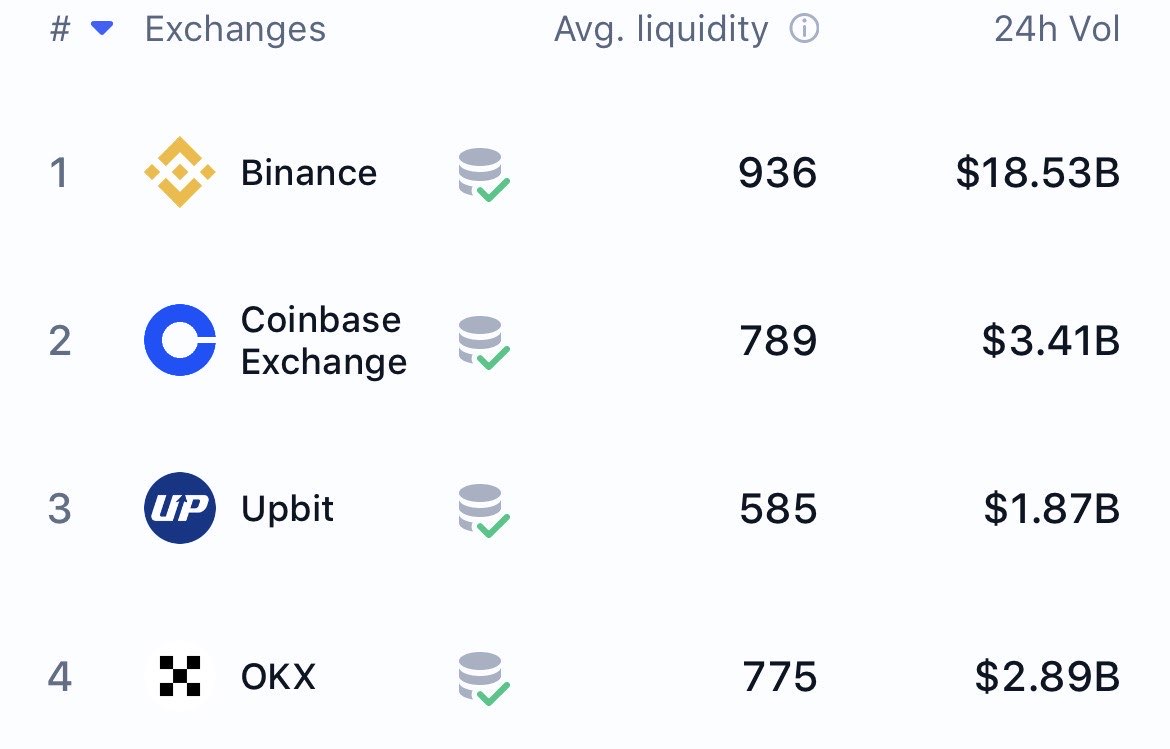
The Best Crypto Exchanges (CEX + DEX) for Bitcoin, Ethereum & Solana + Altcoins (Global + US)
Updated for 2026: Compare the top centralized + decentralized exchanges with the lowest fees, biggest bonuses, and most altcoins. Full rankings for global, US, and DEX users — includes referral links to claim up to $30,000+ in bonuses.