
Do I Have to Pay Taxes on Crypto? A Beginner's Reality Check
- 30 Dec 2025
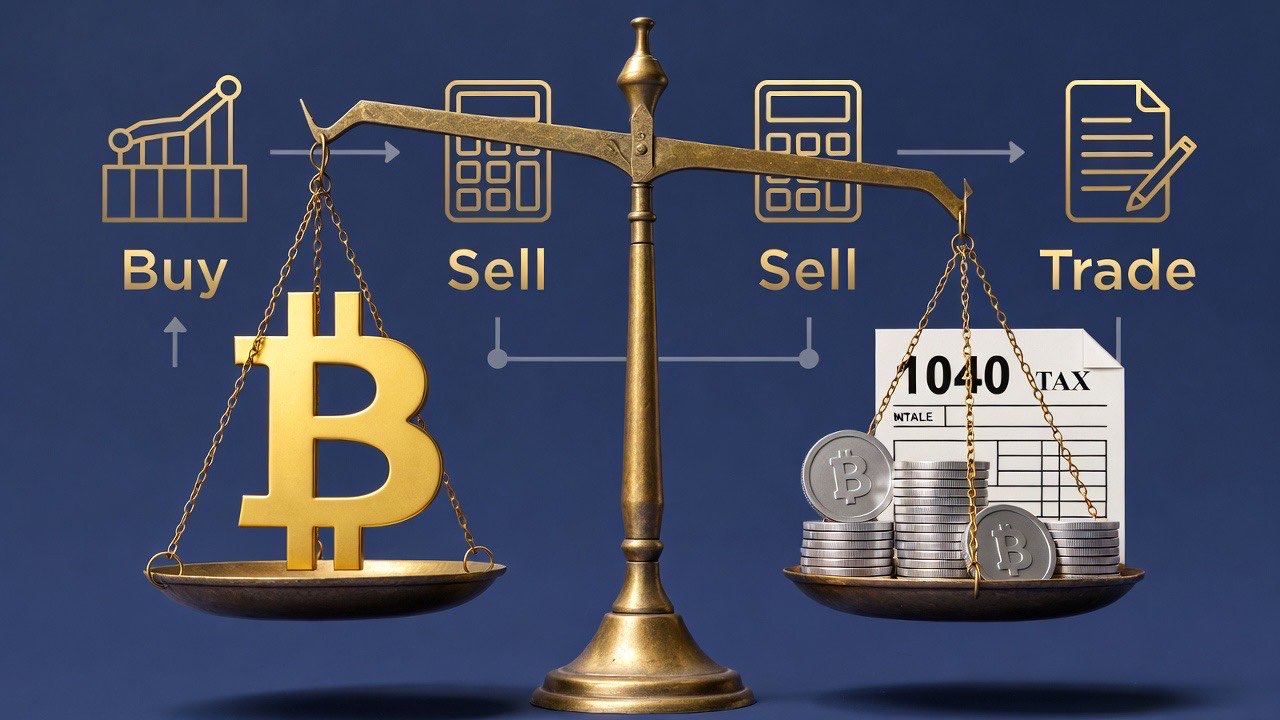
Do I Have to Pay Taxes on Crypto? A Beginner’s Reality Check
Taxes can feel intimidating, but understanding the basics early reduces stress and helps you make better financial decisions. Whether you buy, sell, trade, or hold crypto, knowing when and how taxes apply is essential for avoiding problems down the road.
1. Buying vs Selling Crypto
- Buying crypto: Generally, acquiring crypto with cash, bank transfers, or fiat doesn’t trigger a taxable event.
- Selling crypto: Exchanging crypto for fiat (USD, EUR, etc.) or another crypto token often triggers a capital gains event.
- Swapping tokens: Swaps between crypto assets (like ETH → SOL) are taxable in many jurisdictions.
Pro Tip: Keep detailed records of every purchase, swap, or sale. Tools like Crypto Portfolio Tracking & Compliance Tools help automate this.
For beginners, check out Your First 30 Days in Crypto: A Beginner Roadmap to understand how buying and trading affects your overall tax picture.
2. Trading vs Holding
- Short-term trading: Selling within a year can trigger short-term capital gains, often taxed at your regular income rate.
- Long-term holding: Holding crypto longer than a year usually triggers long-term capital gains, which may be taxed at lower rates.
Practical tip: Consider your holding strategy before selling, as tax implications can significantly impact net profits.
Learn more about tracking and analyzing your holdings in our How to Track Your Crypto Portfolio as a Beginner guide.
3. When Taxes Really Matter
Not every crypto transaction creates a major tax obligation. Here’s a simple breakdown:
| Transaction Type | Tax Implication |
|---|---|
| Small hobby purchases or gifts | Usually minimal, may not need reporting |
| Selling or swapping crypto | Typically taxable |
| Earning interest or staking rewards | Often taxable as income |
| Airdrops and token rewards | Usually considered income at market value |
Even if your trades seem minor, keeping records from day one prevents headaches later and ensures smooth compliance.
Check our guide on Tools for Tracking & Compliance for automated reporting options and portfolio analysis.
4. Beginner Takeaways
- Document everything: Keep track of purchases, swaps, staking rewards, airdrops, and income.
- Start small: Focus on learning and safety before diving into complex strategies.
- Use tracking tools: Apps like Crypto Portfolio Tracker save time and reduce errors.
- Plan trades with taxes in mind: Decide if short-term gains are worth the tax hit versus long-term holding.
- Educate yourself: Explore Set Up Your First Wallet and Beginner Crypto Security Practices to protect your assets.
5. Additional Resources & Cluster Links
- Your First 30 Days in Crypto: A Beginner Roadmap – Beginner roadmap
- Set Up Your First Wallet – Wallet setup guide
- How to Track Your Crypto Portfolio as a Beginner – Tax & performance tracking
- Best Crypto Wallets for Beginners: Top Picks and Reviews – Security and storage
- Ultimate Guide to Crypto Regulatory & Tax Compliance – Deep dive into laws, reporting, and audits
- Crypto Estate Planning Basics (Secure Your Digital Assets) – Planning inheritance & taxes
Final Thoughts
Crypto taxes are unavoidable but manageable. By starting small, tracking all transactions, and educating yourself, you can avoid surprises and make smarter financial choices. Use this guide as your first checkpoint, then explore the linked cluster articles to deepen your knowledge about compliance, wallets, DeFi, and portfolio management.
Stay in the loop →
Powered by EverRank, and created by GalaxyBuilt
Get Weekly DeFi Alpha in Your Inbox
Weekly DeFi Alpha
56k+ traders getting my private newsletter every week
Join To Download our Ebook Free
Read Next_
Best Crypto Debit Cards That Pay Rewards in 2026
Beginner-friendly guide to the best crypto debit cards in 2026, featuring cashback, token rewards, and real-world usability.
Best Crypto Wallets for Beginners: Top Picks and Reviews
Choosing the right crypto wallet is crucial for security and ease of use. This 2026 guide reviews the best crypto wallets for beginners, comparing software, hardware, and mobile options with pros, cons, and setup tips.
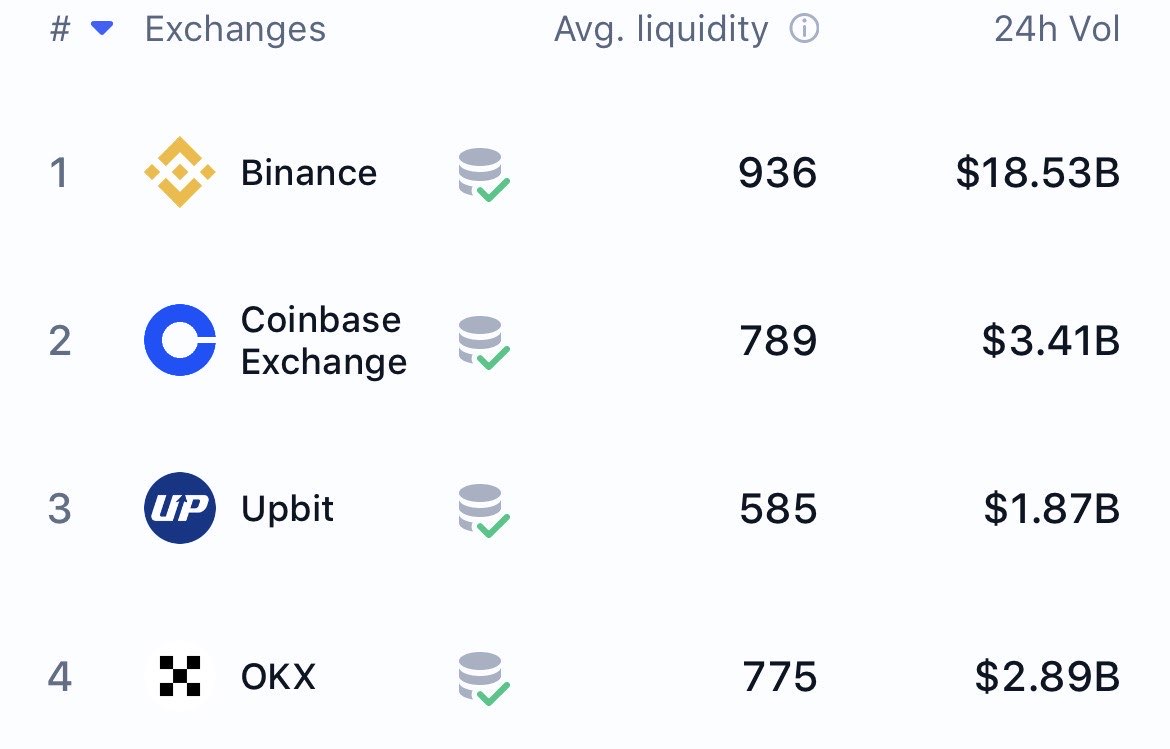
The Best Crypto Exchanges (CEX + DEX) for Bitcoin, Ethereum & Solana + Altcoins (Global + US)
Updated for 2026: Compare the top centralized + decentralized exchanges with the lowest fees, biggest bonuses, and most altcoins. Full rankings for global, US, and DEX users — includes referral links to claim up to $30,000+ in bonuses.