
How Crypto Transactions Actually Work: From Click to Confirmation
- 30 Dec 2025
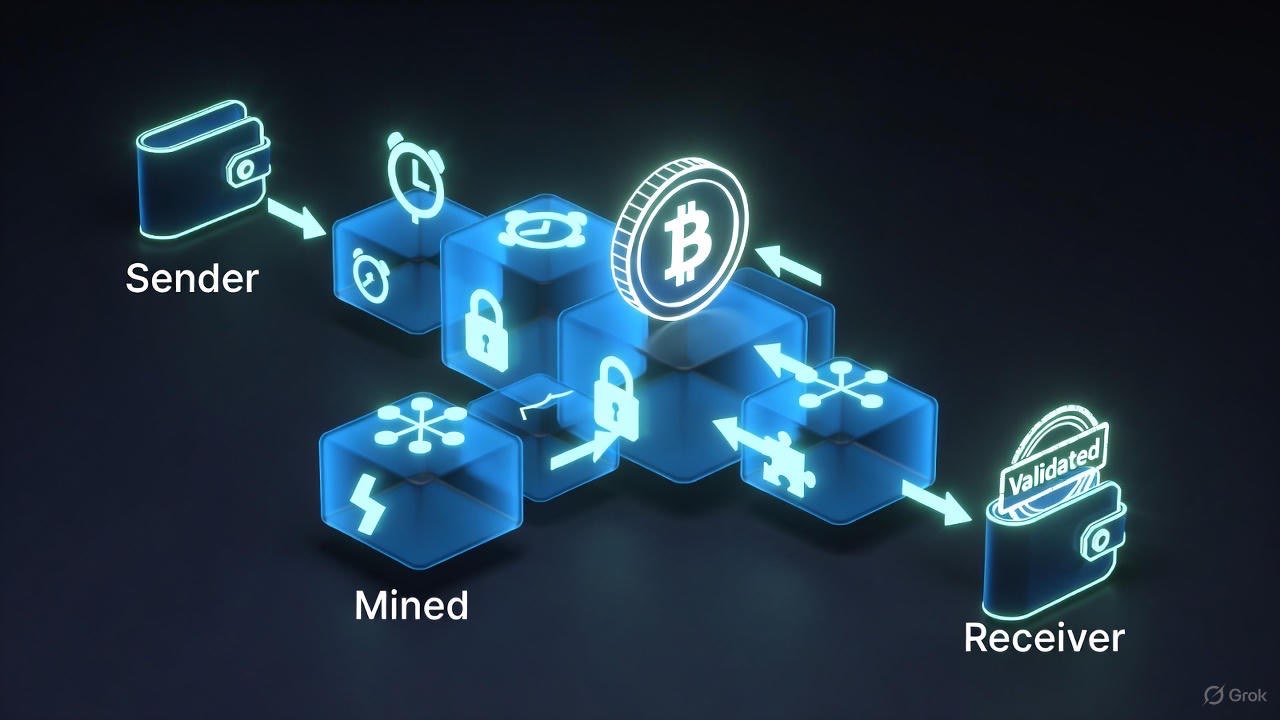
How Crypto Transactions Actually Work: From Click to Confirmation
Sending crypto for the first time can feel like stepping into a black box. You click “send” and hope it arrives safely—but what’s really happening behind the scenes? Understanding this process will save you confusion, frustration, and even money.
1. The Journey of a Transaction
Every crypto transaction follows a similar path:
- You initiate the transaction from your wallet.
- It enters the mempool, where it waits to be confirmed.
- Miners or validators pick it up, depending on the blockchain.
- Confirmations occur, securing the transaction on-chain.
- It arrives at the recipient address.
Think of it as mailing a letter. Your wallet is the post office, the mempool is the sorting facility, miners/validators are the delivery drivers, and confirmations are the signatures ensuring delivery.
Pro Tip: Understanding mempools helps you predict delays and fee spikes. Learn more about crypto fees explained.
2. Mempool: Where Transactions Wait
The mempool is essentially a waiting room for unconfirmed transactions. Every node keeps a copy, and miners/validators pick transactions from this pool.
- Higher fees = faster inclusion
- Low-fee transactions may get stuck until congestion eases
- Monitoring mempools can help you time high-priority transfers
3. Gas and Transaction Fees
Fees are essential. They incentivize validators to include your transaction in a block.
- Ethereum: Gas fees vary by network congestion. Use wallets like Trust Wallet to estimate fees.
- Solana: Typically lower and more predictable.
- Exchanges: May charge extra withdrawal or conversion fees.
- Bridges and swaps: Hidden slippage and liquidity costs may apply.
Including memecoin transactions? Fees spike during launches—plan accordingly and check our tools page.
4. Confirmations: Why They Matter
Once a transaction is included in a block:
- 1 confirmation: Usually enough for small transfers
- 3–6 confirmations: Recommended for large transfers
- Failed transactions: Rare, but can happen if fees are too low or the network drops
5. Failed Transactions: What Went Wrong?
Reasons include:
- Insufficient gas
- Smart contract errors
- Network congestion
- Wallet misconfigurations
Avoid stress by starting with small test transactions. Read more about first-time crypto safety.
6. How This Connects to Your Beginner Journey
Understanding transactions builds confidence to:
- Send and receive crypto safely
- Explore blockchain explorers
- Prepare for memecoin participation and yield farming
Next, dive into crypto fees explained to understand the costs behind every click.
Internal Links for Next Steps:
- Set Up Your First Wallet
- Crypto Fees Explained
- Your First 30 Days in Crypto
- Tools for Beginners & Memecoin Launches
Stay in the loop →
Powered by EverRank, and created by GalaxyBuilt
Get Weekly DeFi Alpha in Your Inbox
Weekly DeFi Alpha
56k+ traders getting my private newsletter every week
Join To Download our Ebook Free
Read Next_
Best Crypto Debit Cards That Pay Rewards in 2026
Beginner-friendly guide to the best crypto debit cards in 2026, featuring cashback, token rewards, and real-world usability.
Best Crypto Wallets for Beginners: Top Picks and Reviews
Choosing the right crypto wallet is crucial for security and ease of use. This 2026 guide reviews the best crypto wallets for beginners, comparing software, hardware, and mobile options with pros, cons, and setup tips.
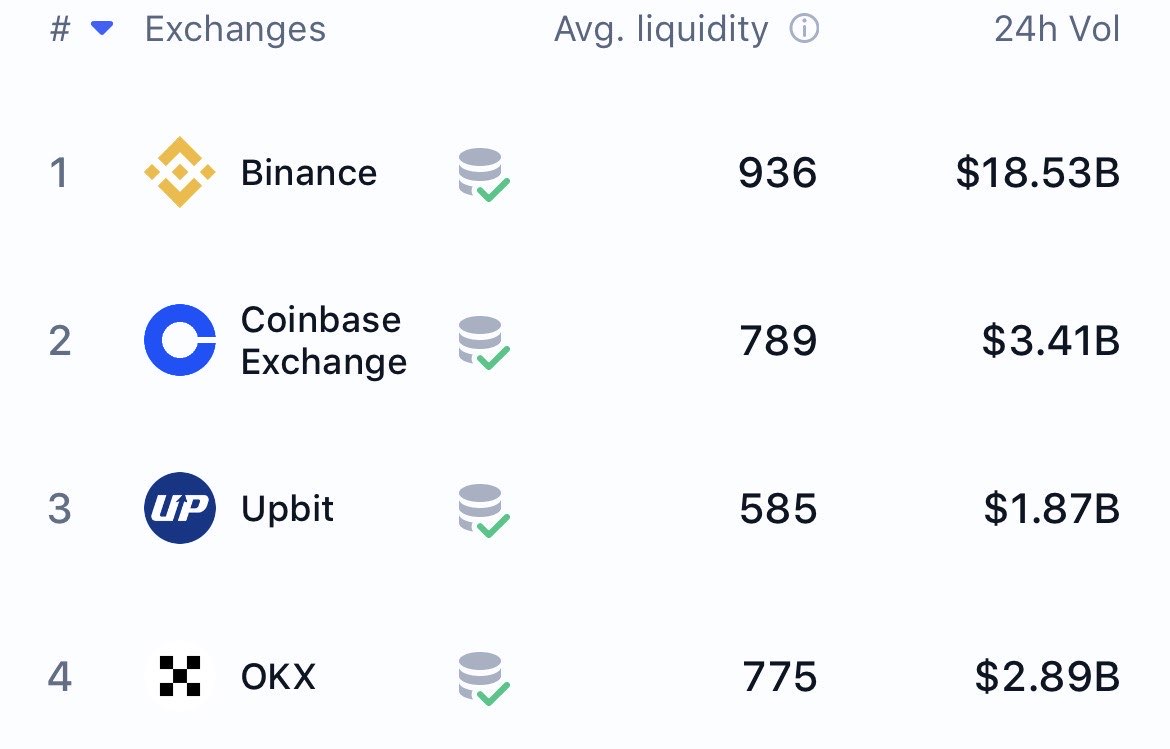
The Best Crypto Exchanges (CEX + DEX) for Bitcoin, Ethereum & Solana + Altcoins (Global + US)
Updated for 2026: Compare the top centralized + decentralized exchanges with the lowest fees, biggest bonuses, and most altcoins. Full rankings for global, US, and DEX users — includes referral links to claim up to $30,000+ in bonuses.