
Is Crypto Legal Where I Live? Beginner's Guide
- 30 Dec 2025

Is Crypto Legal Where I Live? Beginner’s Guide 2026
Many beginners ask: “Can I use crypto legally where I live?” If you’ve ever worried about breaking the law by simply holding Bitcoin or Ethereum, you are not alone. The good news is that crypto is legal in most countries, and understanding the nuances can help you navigate the landscape safely and confidently.
This guide breaks down crypto legality in plain English. By the end, you’ll know where crypto is fully legal, where there are partial restrictions, and what steps you can take as a beginner to interact safely with digital assets.
Understanding Crypto Legality: A Beginner’s Perspective
When people talk about crypto being “legal,” they usually mean three things:
- Owning crypto is allowed – you can hold Bitcoin, Ethereum, or other coins in a wallet.
- Trading crypto is allowed – buying or selling on exchanges is permitted.
- Using crypto as payment – spending crypto for goods or services may be regulated or restricted.
Even if crypto is legal, governments may require you to declare holdings for taxes, follow KYC rules on exchanges, or restrict usage in payments. But don’t worry — most beginners only need to worry about ownership and first purchases, and that’s generally straightforward.
Story: How Beginners Get Confused About Crypto Legality
Consider Sarah, a 28-year-old from the Philippines. She wanted to buy a small amount of Bitcoin after hearing about it from friends. She Googled “Is Bitcoin legal in the Philippines?” and found articles talking about taxes, regulations, and international laws. Sarah was overwhelmed and almost gave up.
The reality? In the Philippines, crypto is fully legal, and beginners can safely buy small amounts on regulated exchanges like Binance or Coins.ph. By starting with a non-custodial wallet, Sarah could control her funds while staying compliant.
Stories like Sarah’s are common. Beginner anxiety often comes from the complex language used in legal articles — we’re here to simplify it.
Countries Where Crypto Use is Fully Legal
If you live in most North American, European, or East Asian countries, you’re in a safe zone. Examples include:
- United States – Fully legal; exchanges are regulated; taxes apply on gains.
- Canada – Legal and regulated; reporting gains is mandatory.
- United Kingdom, Germany, France – Legal with regulated exchanges; crypto can be used as investment or payment.
- Australia, Japan, South Korea – Legal; KYC required on exchanges.
For beginners, this means: you can start small, buy crypto safely on a regulated exchange, and store it in a non-custodial wallet without legal issues.
Practical Example
John, a college student in Germany, wanted to invest in Ethereum. He registered on a local exchange, completed KYC, and transferred a small amount to his personal wallet. Within minutes, he owned Ethereum legally — no complicated forms, no risk, just compliance with local laws.
Countries With Partial or Limited Crypto Use
Some countries allow crypto ownership but restrict certain uses like trading or payments. Here are examples:
- India – Crypto is legal, but banks may restrict transactions. Taxes on gains apply.
- China – Trading and exchanges are banned, but private holdings are not illegal.
- Russia – Ownership allowed, but spending crypto as payment is restricted.
Why It Matters for Beginners
Even in these countries, beginners can safely start by:
- Using non-custodial wallets like Trust Wallet.
- Buying small amounts on regulated exchanges that operate legally.
- Avoiding crypto payments until regulations are clearer.
This approach minimizes risk while still letting you learn and gain exposure.
Countries Where Crypto Is Mostly Banned
A small group of countries has banned crypto outright:
- Algeria, Morocco, Bangladesh – Buying, selling, or using crypto is prohibited.
- Nepal – Severe restrictions; authorities discourage usage.
In these cases, beginners should avoid exchanges and consider non-custodial wallets only if local laws allow private holdings. Staying informed is crucial — crypto laws can change quickly.
On-Ramps vs On-Chain Usage
Understanding how you interact with crypto is essential:
- On-Ramps: Buying crypto with fiat currency through exchanges. KYC usually required.
- On-Chain Usage: Sending, receiving, or staking crypto on blockchain networks. Non-custodial wallets make this legal in most regions.
Example: Maria in Mexico wants to buy Bitcoin. Using an exchange like Bitso (with KYC) is legal and regulated. Once she moves her Bitcoin to her personal wallet, she can use it on-chain safely without further registration.
Avoiding Common Beginner Mistakes
- Skipping local law checks – Even if crypto is generally legal, small restrictions may exist.
- Using unregulated exchanges – Could expose you to scams or legal risks.
- Neglecting wallet security – Losing private keys is like losing money permanently. Learn proper wallet setup.
- Ignoring taxes – In most countries, gains are taxable. Keep records.
Beginners often panic about legality when the real risks are security and compliance. Focusing on these first reduces stress.
Storytelling: Beginner Success Across Borders
- Lucas in Australia: Bought Bitcoin on a regulated exchange, transferred it to a cold wallet, and started learning staking. No legal issues.
- Fatima in India: Confused by banking restrictions, she used a regulated exchange for small amounts and stayed legal.
- Yuki in Japan: Leveraged a non-custodial wallet to explore DeFi safely while following KYC requirements.
Each of these stories shows that being cautious, informed, and starting small allows beginners to enter crypto safely — regardless of country.
Bridging to Wallets and First Purchases
Once legality is understood, beginners can focus on:
- Wallet setup – Control your funds with guides like How to Set Up Trust Wallet.
- First crypto purchase – Start small with regulated exchanges (First Purchase Guides).
- Safe storage and usage – Learn about Cold vs Hot Wallets.
This creates a clear roadmap from “Is crypto legal?” to “I own my first crypto safely.”
Key Takeaways
- Crypto is legal in most countries, but restrictions vary.
- Know the difference between ownership, trading, and spending.
- Using non-custodial wallets often avoids regulatory friction.
- Start small, follow local laws, and learn wallet security.
For beginners, understanding legality is the first step to becoming a confident crypto user. Once you know where and how you can use crypto safely, you can focus on learning, investing, and exploring blockchain technology.
Next Steps:
Explore our Getting Started 🚀 pillar for detailed wallet setup tutorials, first purchase guides, and practical tips to start your crypto journey confidently.
Stay in the loop →
Powered by EverRank, and created by GalaxyBuilt
Get Weekly DeFi Alpha in Your Inbox
Weekly DeFi Alpha
56k+ traders getting my private newsletter every week
Join To Download our Ebook Free
Read Next_
Best Crypto Debit Cards That Pay Rewards in 2026
Beginner-friendly guide to the best crypto debit cards in 2026, featuring cashback, token rewards, and real-world usability.
Best Crypto Wallets for Beginners: Top Picks and Reviews
Choosing the right crypto wallet is crucial for security and ease of use. This 2026 guide reviews the best crypto wallets for beginners, comparing software, hardware, and mobile options with pros, cons, and setup tips.
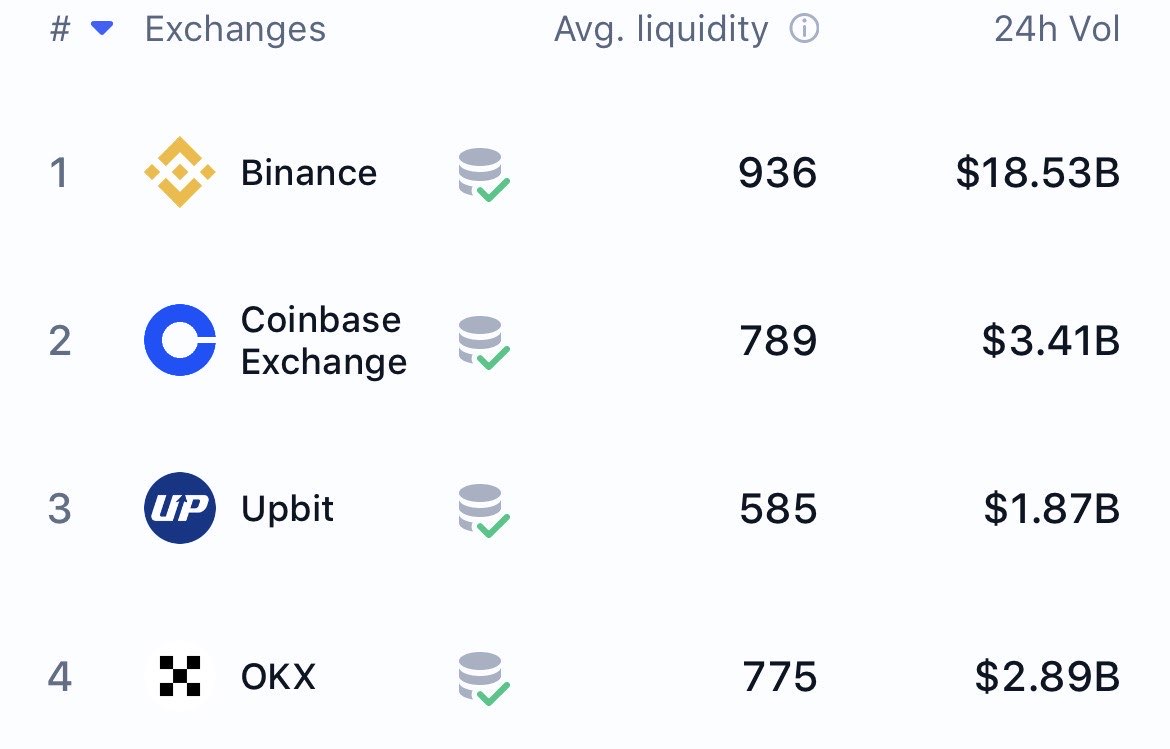
The Best Crypto Exchanges (CEX + DEX) for Bitcoin, Ethereum & Solana + Altcoins (Global + US)
Updated for 2026: Compare the top centralized + decentralized exchanges with the lowest fees, biggest bonuses, and most altcoins. Full rankings for global, US, and DEX users — includes referral links to claim up to $30,000+ in bonuses.