
What is Cryptocurrency? A Complete Beginner's Guide to Blockchain
- 22 Dec 2025

Introduction: Understanding Cryptocurrency in 2026
Cryptocurrency has moved from the fringes of finance to a mainstream topic discussed in boardrooms, governments, and households worldwide. Terms like Bitcoin, blockchain, and digital assets appear in daily news, yet many people still wonder about the fundamentals.
Searches for “what is cryptocurrency” and “blockchain explained for beginners” remain among the most common entry points for newcomers. This guide addresses those questions directly and clearly.
By the end of this article, you will understand what cryptocurrency actually is, how the underlying blockchain technology functions, why it represents a significant shift from traditional money, and where it stands in 2026. No technical background is required.
Once you grasp these concepts, practical steps become much clearer. Explore our crypto terminology glossary for definitions of key terms used here, or review common pitfalls in our guide to the 10 biggest crypto mistakes beginners make.
What Exactly Is Cryptocurrency?
Cryptocurrency is digital or virtual money secured by cryptography, making it nearly impossible to counterfeit or double-spend. Unlike traditional currencies issued by governments, most cryptocurrencies operate on decentralized networks based on blockchain technology.
The first and most well-known cryptocurrency is Bitcoin, created in 2009 by an anonymous person or group using the pseudonym Satoshi Nakamoto. Bitcoin introduced the idea of peer-to-peer electronic cash that requires no bank or central authority.
Today, thousands of cryptocurrencies exist, each with different features and purposes. Some, like Bitcoin, focus on being a store of value. Others, like Ethereum, enable programmable contracts and applications.
Key characteristics of cryptocurrency include:
- Decentralization: Control is distributed across a network of computers rather than a single entity.
- Transparency: Transactions are recorded publicly on the blockchain, visible to anyone.
- Immutability: Once confirmed, records cannot be altered.
- Security: Cryptography protects funds and verifies transactions.
- Borderless Nature: Transfers can occur globally without intermediaries.
These traits make cryptocurrency distinct from conventional fiat money like dollars or euros.
How Does Blockchain Technology Work?
At the heart of most cryptocurrencies lies blockchain, a revolutionary way to record information.
Imagine a shared digital ledger that everyone in a network can view and contribute to, but no single party controls. Each page in this ledger is a “block” containing a list of transactions. Once a block is full and verified, it is linked to the previous block using cryptographic hashes, forming a chain.
This structure ensures that altering any block would require changing all subsequent blocks across the entire network, which is computationally impractical.
The Process Step by Step
- Transaction Initiation: Someone sends cryptocurrency to another address.
- Broadcast: The transaction is transmitted to the network.
- Validation: Network participants (nodes) check if the transaction follows rules (valid signature, sufficient balance).
- Block Creation: Valid transactions are grouped into a block.
- Consensus: Nodes agree on the block using mechanisms like Proof of Work (Bitcoin) or Proof of Stake (many newer networks).
- Addition to Chain: The block is appended, and participants update their copies.
- Confirmation: The transaction is considered secure after several subsequent blocks.
This decentralized consensus replaces the need for trusted intermediaries like banks.
Consensus Mechanisms Explained
- Proof of Work (PoW): Used by Bitcoin. Participants compete to solve complex mathematical puzzles. The winner adds the block and earns rewards. Energy-intensive but highly secure.
- Proof of Stake (PoS): Used by Ethereum since 2022. Validators are chosen based on staked coins. More energy-efficient.
Many networks in 2026 use PoS or hybrid models to address environmental concerns.
Why Cryptocurrency Matters in 2026
More than fifteen years after Bitcoin’s launch, cryptocurrency has achieved significant milestones:
- Institutional adoption by major companies and investment funds.
- Regulatory frameworks emerging in many countries.
- Integration into payment systems and financial products.
- Growth of decentralized finance offering alternatives to traditional banking.
Cryptocurrency addresses real-world issues:
- Financial inclusion for unbanked populations.
- Faster and cheaper cross-border transfers.
- Protection against inflation in unstable economies.
- Programmable money enabling new applications.
However, challenges---
Stay in the loop →
Powered by EverRank, and created by GalaxyBuilt
Get Weekly DeFi Alpha in Your Inbox
Weekly DeFi Alpha
56k+ traders getting my private newsletter every week
Join To Download our Ebook Free
Read Next_

Best Crypto Debit Cards That Pay Rewards in 2026
Beginner-friendly guide to the best crypto debit cards in 2026, featuring cashback, token rewards, and real-world usability.

Best Crypto Wallets for Beginners: Top Picks and Reviews
Choosing the right crypto wallet is crucial for security and ease of use. This 2026 guide reviews the best crypto wallets for beginners, comparing software, hardware, and mobile options with pros, cons, and setup tips.
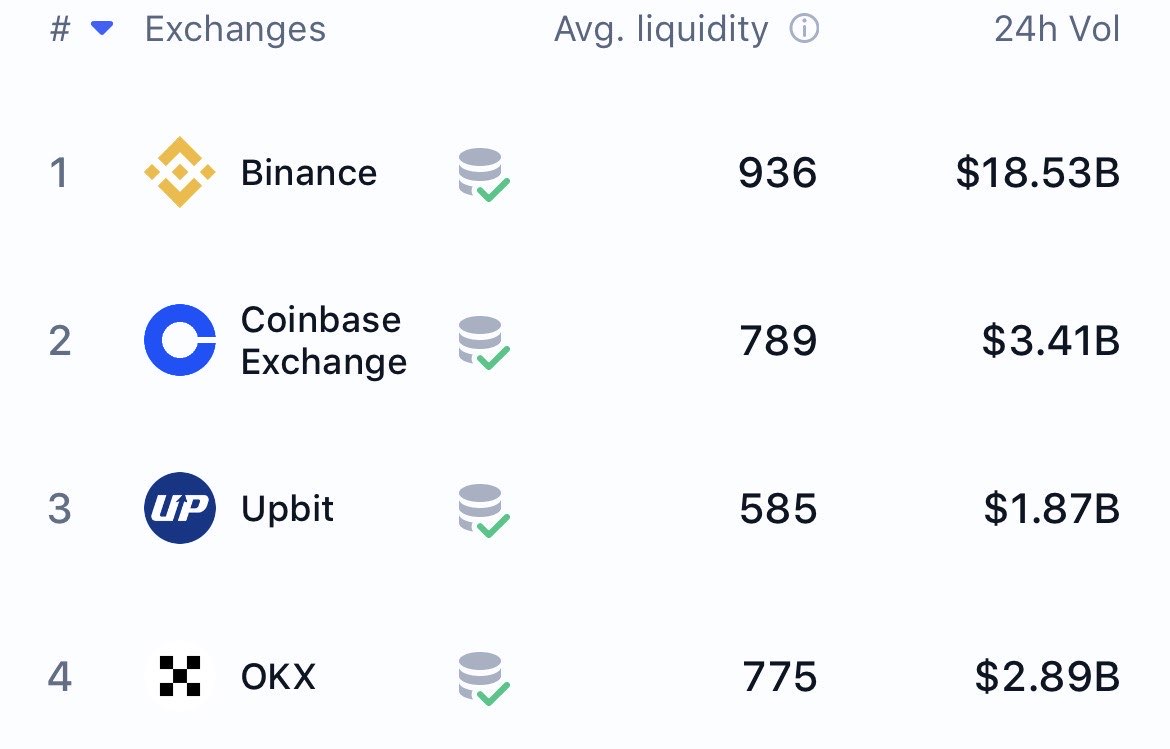
The Best Crypto Exchanges (CEX + DEX) for Bitcoin, Ethereum & Solana + Altcoins (Global + US)
Updated for 2026: Compare the top centralized + decentralized exchanges with the lowest fees, biggest bonuses, and most altcoins. Full rankings for global, US, and DEX users — includes referral links to claim up to $30,000+ in bonuses.