
Do I Need KYC to Use Crypto? Beginner's Guide
- 30 Dec 2025
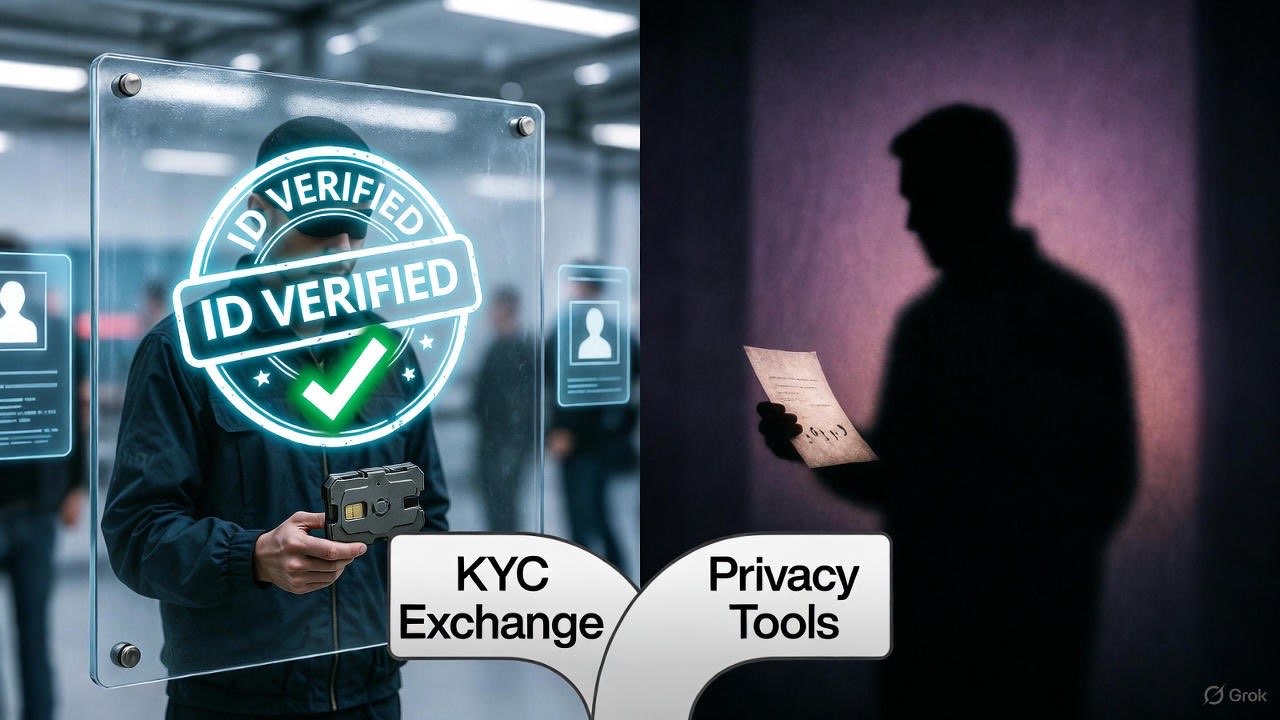
Do I Need KYC to Use Crypto? Beginner’s Guide 2026
If you’re new to crypto, the term KYC (Know Your Customer) might feel intimidating. Many beginners worry: “Do I have to share all my personal information to start using crypto?” The short answer: it depends on what you’re doing.
This guide breaks down where KYC is required, where it’s optional, and how to safely navigate the crypto world without unnecessary anxiety.
Custodial vs. Non-Custodial: Understanding the Difference
When you start using crypto, you have two main paths:
- Custodial services – Exchanges like Coinbase, Binance, or Kraken hold your crypto for you. They almost always require KYC because they operate under local regulations.
- Non-custodial wallets – Apps like Trust Wallet or hardware wallets give you full control. No KYC is needed because you hold your own private keys.
Understanding this distinction helps you know when KYC is actually necessary.
Where KYC is Required vs Optional
Here’s a practical breakdown:
-
Required KYC:
- Buying crypto with fiat currency (USD, EUR, etc.) on centralized exchanges.
- Participating in regulated token sales or certain airdrops.
-
Optional or No KYC:
- Using non-custodial wallets to swap tokens on decentralized exchanges (DEXs).
- Sending or receiving crypto on-chain directly.
- Using privacy-focused services that don’t interact with banks.
This means you can start transacting on-chain without ever sharing personal information, but you’ll hit KYC checkpoints when converting between fiat and crypto.
On-Ramps vs On-Chain Usage
Think of crypto usage in two layers:
- On-Ramps: Converting your cash into crypto. Usually involves KYC because a financial institution is involved.
- On-Chain Usage: Moving crypto between wallets, trading on DEXs, or using DeFi apps. Often no KYC is required because blockchain transactions are pseudonymous.
For beginners, understanding this distinction reduces fear and confusion.
How KYC Anxiety Can Affect Beginners
Many new users delay starting because of KYC concerns. The key is to remember:
- Not every crypto action requires KYC.
- Non-custodial wallets let you explore, trade, and interact on-chain freely.
- Knowing where KYC is required allows you to plan your onboarding steps confidently.
By separating fiat interactions from on-chain interactions, you can safely experiment and learn.
Bridge to Wallet Setup and First Purchase Guides
Once you understand KYC, the next steps naturally follow:
- Set up a secure wallet: Set up your first wallet
- Make your first crypto purchase safely: First purchase guide
- Learn essential wallet hygiene: Cold vs Hot Wallets: Optimizing Security and Eligibility
These guides will help you take action without unnecessary risk, making your entry into crypto much smoother.
Key Takeaways
- KYC is not universally required—it mainly applies when converting fiat to crypto.
- Custodial vs non-custodial wallets determine when your personal data is exposed.
- On-chain usage offers privacy and flexibility, ideal for beginners exploring crypto safely.
- Following wallet and first purchase guides ensures you get started the right way.
Understanding KYC is your first step toward becoming a confident crypto user.
Next Steps:
Explore our Getting Started 🚀 pillar to continue learning how to safely interact with crypto, set up wallets, and make your first purchases.
Stay in the loop →
Powered by EverRank, and created by GalaxyBuilt
Get Weekly DeFi Alpha in Your Inbox
Weekly DeFi Alpha
56k+ traders getting my private newsletter every week
Join To Download our Ebook Free
Read Next_
Best Crypto Debit Cards That Pay Rewards in 2026
Beginner-friendly guide to the best crypto debit cards in 2026, featuring cashback, token rewards, and real-world usability.
Best Crypto Wallets for Beginners: Top Picks and Reviews
Choosing the right crypto wallet is crucial for security and ease of use. This 2026 guide reviews the best crypto wallets for beginners, comparing software, hardware, and mobile options with pros, cons, and setup tips.
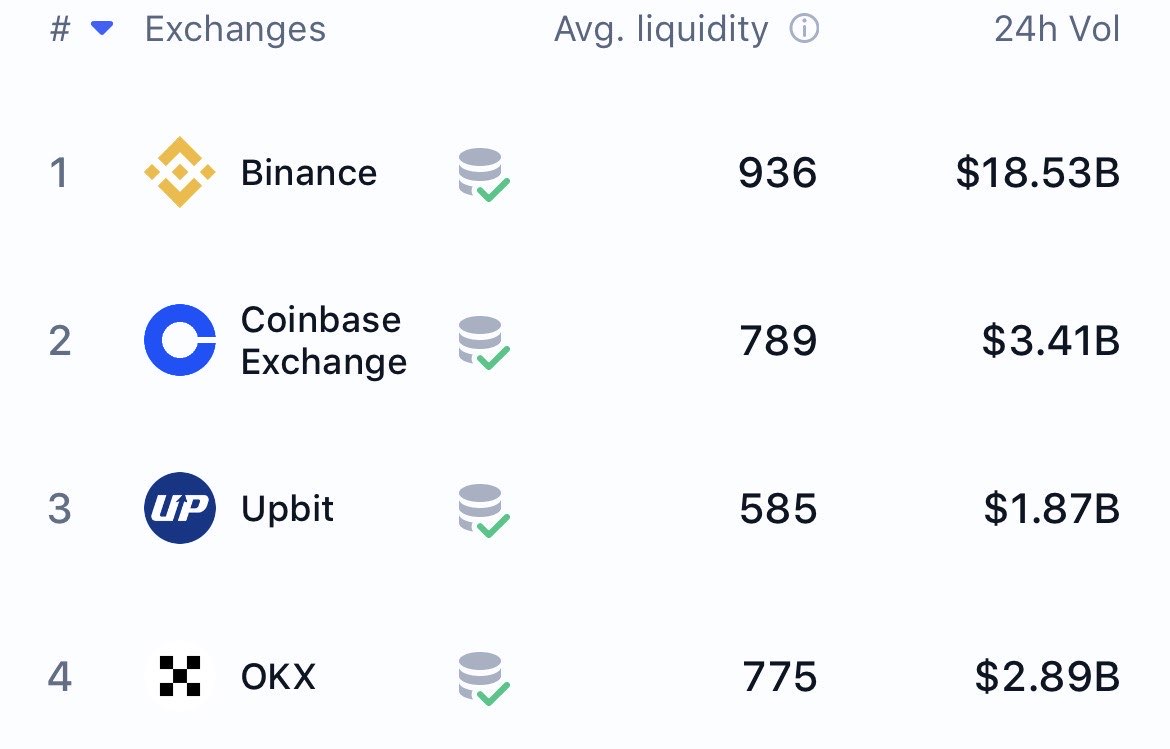
The Best Crypto Exchanges (CEX + DEX) for Bitcoin, Ethereum & Solana + Altcoins (Global + US)
Updated for 2026: Compare the top centralized + decentralized exchanges with the lowest fees, biggest bonuses, and most altcoins. Full rankings for global, US, and DEX users — includes referral links to claim up to $30,000+ in bonuses.