
-
 Nefu
Nefu - 27 Dec 2025
- Airdrop farming
Mastering Wallet Diversification for Airdrop Farming
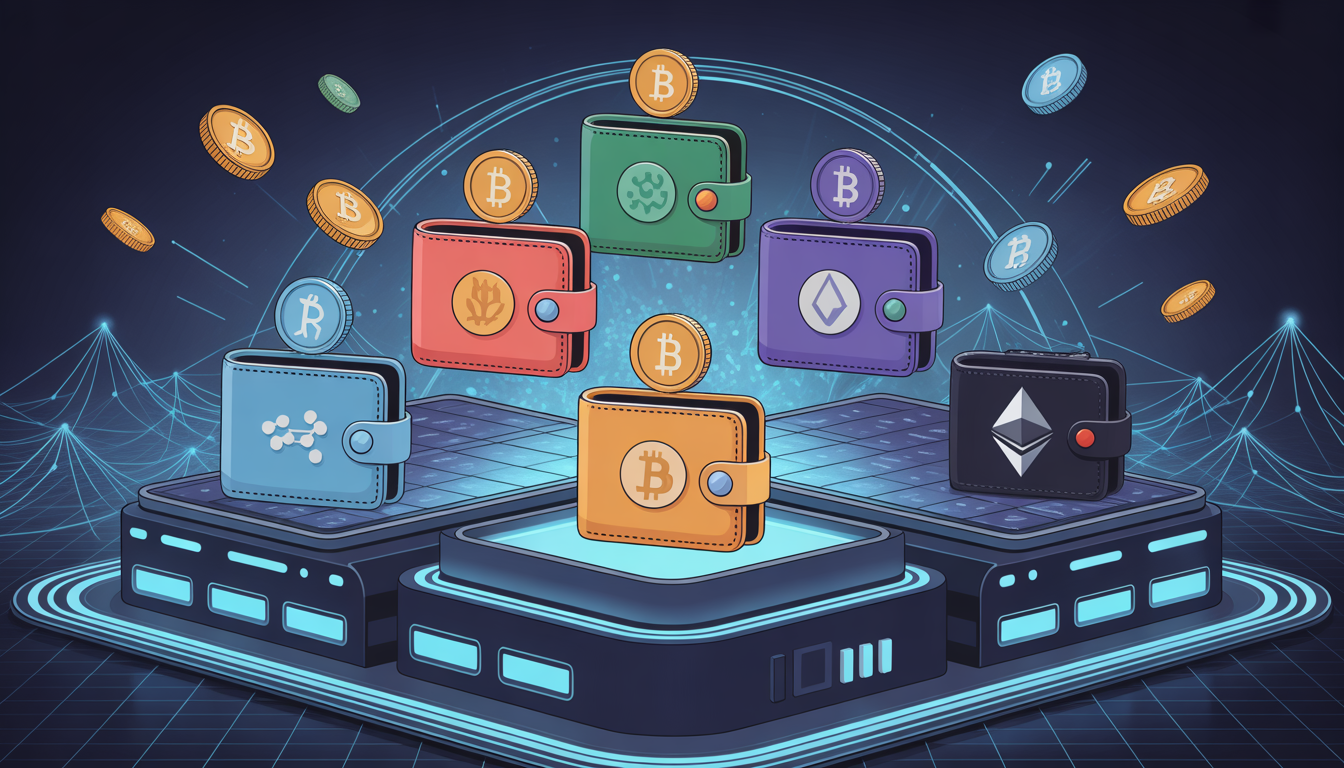
Mastering Wallet Diversification for Airdrop Farming Airdrop farming has evolved into a sophisticated strategy for crypto enthusiasts seeking to earn tokens before they hit exchanges. Success in this space depends not just on knowing which projects to participate in but also on how you structure and manage your wallets. Wallet diversification is the cornerstone of an effective airdrop strategy—it ensures maximum eligibility, mitigates risk, and allows for precise tracking across multiple projects. In this article, we’ll cover everything you need to know to master wallet diversification for airdrop farming: why it matters, types of wallets, organization strategies, risk management, and practical examples.Why Wallet Diversification Matters Many airdrops require specific conditions for eligibility, such as token holdings, participation in governance, or prior interactions with a protocol. Relying on a single wallet can severely limit your opportunities and expose you to unnecessary risks:Eligibility Limitation: Some projects reward only a subset of participants based on wallet activity or balance tiers. Multiple wallets allow you to cover more participation brackets. Risk Management: If one wallet is compromised, you risk losing all associated assets and rewards. Diversifying reduces the impact of hacks or mistakes. Organizational Efficiency: A clear wallet structure helps track which wallets participate in which projects, simplifying reward claims and reporting.Related reading: Wallet Management Best Practices for Airdrop Farmers Types of Wallets to Use Wallet diversification starts with understanding the types of wallets available. Each serves a distinct purpose in airdrop farming. 1. Hot Wallets Hot wallets are connected to the internet, making them convenient for daily interactions with DeFi protocols and airdrop participation. Examples include MetaMask, Phantom, and Trust Wallet. Pros:Quick access to multiple chains Easy integration with dApps and NFT platforms Ideal for frequent airdrop participationCons:Higher exposure to hacks or phishing attacks Requires disciplined security practices2. Cold Wallets Cold wallets are offline, such as Ledger and Trezor hardware wallets. They offer maximum security and are best for storing high-value tokens or rewards that you don’t intend to interact with immediately. Pros:Extremely secure Reduces risk of online attacksCons:Less convenient for frequent airdrop participation Requires careful setup for multi-chain access3. Multisig Wallets Multisig wallets require multiple signatures to authorize transactions. They are ideal for teams or users managing larger operations, adding a layer of security without sacrificing flexibility. Pros:Enhanced security Useful for collaborative farmingCons:Slightly more complex setup Slower transaction executionOrganizing Wallets for Maximum Efficiency With multiple wallets, organization becomes critical. Poor organization leads to missed airdrops, lost rewards, and unnecessary confusion. Naming and Labeling Create a consistent naming convention:ProjectName-WalletType-NumberExample: Solana-Hot-01 or Ethereum-Cold-02Labels help identify purpose and track activity at a glance. Segmentation by Purpose Divide wallets based on strategy:High-value wallets: Hold significant token balances to meet eligibility for premium rewards. Experimental wallets: Test new protocols or low-stake airdrops without risking large assets. Chain-specific wallets: Separate wallets per blockchain for clarity and efficiency.Tracking and Spreadsheets Maintain a tracking system:Columns: Wallet Name, Chain, Participated Projects, Tokens Earned, Airdrop Dates Include notes for each airdrop requirement and claim statusPro tip: Automate tracking using Google Sheets APIs or dedicated crypto portfolio trackers.Layered Wallet Strategy: Examples A layered approach helps maximize participation while managing exposure. Example 1: Single Chain, Multiple WalletsEthereum: 3 wallets Wallet 1: High-value DeFi farming and governance Wallet 2: Experimental NFT drops and small airdrops Wallet 3: Reserved for retroactive airdrops and snapshotsExample 2: Multi-Chain CoverageEthereum: 2 wallets Solana: 2 wallets Polygon: 1 walletEach wallet assigned to a specific strategy per chain, allowing broad coverage without overcomplicating management.Risk Mitigation and Security Practices Wallet diversification does not replace good security hygiene. Consider these strategies:Separate Keys for Different PurposesAvoid using one private key for all wallets Keep backups offline and encryptedMinimal Exposure in Hot WalletsKeep only what is needed for interaction Move earned tokens to cold storage immediatelyRegular AuditsPeriodically review wallet activity Remove dormant wallets or consolidate where neededUse Hardware Wallets for Significant RewardsStore high-value airdrop tokens offline Reduce risk of phishing and malwareCommon Mistakes to AvoidMixing Funds Across Wallets Confuses tracking and may invalidate eligibilityIgnoring Project Requirements Not all airdrops are claimed automatically; missing steps can cost tokensNeglecting Security Practices Hot wallets with large balances are a magnet for attackersRelated reading: Avoiding Red Flags: Wallet Hygiene and Compliance in Airdrop Farming Conclusion Mastering wallet diversification is essential for serious airdrop farmers. By understanding the different wallet types, organizing your assets strategically, and implementing strong security practices, you can maximize airdrop eligibility, minimize risks, and maintain a clean, trackable portfolio. Diversification is not just a defensive measure—it’s a proactive strategy that allows you to participate efficiently in multiple projects across chains, increasing your potential rewards.Next StepsSet up your first set of diversified wallets using this framework Implement a tracking system for all active airdrops Review your wallet strategy monthly to adapt to new opportunitiesComing next in this subcategory: Cold vs Hot Wallets: Optimizing Security and Eligibility

- Nefu
- 27 Dec 2025
- Airdrop farming
Optimizing Airdrop Points Without Overfarming or Getting Flagged
Introduction Maximizing airdrop points isn’t about doing everything everywhere — it’s about strategic, efficient, and safe activity. Overfarming or repeating actions across wallets can trigger Sybil detection and cause points to be reduced or wallets blacklisted. This article builds on prior Points Systems cluster articles: How Crypto Airdrop Points Systems Really Work, What Actions Actually Earn Airdrop Points, and How Projects Detect Sybil Wallets.Core Principles of OptimizationSignal Over Noise Prioritize meaningful actions over quantity On-chain + off-chain combined scores outperform pure volumeTiming is Critical Avoid burst farming that looks unnatural Spread activity across days, weeks, or months depending on scoring typeWallet Hygiene Separate wallets logically and operationally Keep interactions distinct to reduce clustering riskTracking & Analysis Maintain a spreadsheet or dashboard for points tracking Identify underperforming wallets or suspicious deductions (How to Track Airdrop Points Across Multiple Wallets)Step-by-Step Optimization Workflow Step 1: Identify High-Value ActionsPrioritize actions that have historically yielded high points Focus on staking, LP contributions, governance, and high-quality community engagementStep 2: Map Timing StrategyUse insights from Time-Based vs Volume-Based Airdrop Points Systems Stagger activities for multiple wallets to avoid identical patternsStep 3: Limit Overlap Across WalletsAvoid repetitive sequences across wallets Introduce small variations in timing, amount, and action typeStep 4: Monitor Off-Chain EngagementDiversify contributions across Discord, GitHub, testnets, and social channels Ensure each action is unique and authenticStep 5: Analyze Results & AdjustTrack points earned per action Reallocate activity toward actions yielding the best ROI Stop or adjust low-quality activity to reduce riskMulti-Wallet ConsiderationsStrategy Why it Matters ImplementationSeparate wallets by campaign Reduces clustering risk Assign wallets to specific projects or protocolsStagger activity Prevents identical patterns Vary timing and action typeTrack performance Identify underperforming wallets Maintain a centralized logAvoid recycled addresses Prevents Sybil detection Use fresh wallets for new campaignsCommon Mistakes to AvoidOverfarming: Too many transactions across wallets in short windows Automation: Scripts or bots that perform repetitive actions Identical Off-Chain Behavior: Copying posts, comments, or votes across wallets Ignoring Scoring Type: Treating all projects as volume-based without checking timing rulesFollowing these rules minimizes risk while maximizing point efficiency.Tools & ResourcesOn-chain explorers: Track staking, swaps, LP contributions Project dashboards: Verify off-chain actions and scores Custom spreadsheets: Combine on-chain + off-chain metrics for smarter decision-making Cluster analysis tools: Identify risky wallet patterns before they get flaggedKey TakeawaysEffective airdrop farming is strategic, not excessive Signal quality, timing, and wallet hygiene are more important than volume Track points continuously and adjust strategies based on real results Follow prior cluster guidance: How Crypto Airdrop Points Systems Really Work What Actions Actually Earn Airdrop Points Time-Based vs Volume-Based Points Systems How Projects Detect Sybil WalletsNext in the cluster: How to Track Airdrop Points Across Multiple Wallets

- Nefu
- 27 Dec 2025
- Airdrop farming
Wallet Management Best Practices for Airdrop Farmers
Wallet Management Best Practices for Airdrop Farmers Efficient wallet management is crucial for successful airdrop farming. Without organization and discipline, you risk missing rewards, mismanaging funds, or triggering security red flags. One of the biggest risks in the airdrop space is being labeled as a Sybil—when a project detects multiple wallets controlled by the same person and flags or disqualifies them from rewards. In this article, we’ll cover best practices for wallet organization, tracking, and security, including how to avoid Sybil detection while maximizing eligibility.Why Wallet Management Matters Airdrop farming often requires multiple wallets across chains to maximize participation and cover tiered rewards. Proper wallet management allows you to:Track which wallets are participating in which airdrops Ensure compliance and avoid project disqualification Simplify claiming and consolidating rewards Reduce risk of Sybil detection by projectsRelated reading: Mastering Wallet Diversification for Airdrop FarmingRelated reading: Cold vs Hot Wallets: Optimizing Security and EligibilityNaming Conventions for Clarity Consistent wallet naming helps you organize and track multiple wallets efficiently: {Chain}-{WalletType}-{Number} ETH-Hot-01 SOL-Cold-02 POLY-Hot-01 Benefits:Quickly identify wallet purpose and chain Avoid duplicate interactions or lost rewards Helps when tracking across multiple projectsSegmenting Wallets by Purpose Organize wallets according to their function to maintain clarity and reduce risk:High-Value Storage WalletsPrimarily cold wallets for long-term holdings Hold enough tokens to meet snapshot or tiered airdrop requirementsActive Participation WalletsHot wallets used for daily protocol interactions, DeFi participation, and NFT mintsExperimental WalletsFor testing new projects or small airdrops without risking main assetsChain-Specific WalletsHelps keep assets and interactions organized by blockchain (Ethereum, Solana, Polygon, etc.)Tip: Segmentation also reduces the chance of being flagged as a Sybil by avoiding suspicious patterns like sending identical transactions from multiple wallets.Tracking Wallet Activity Maintaining a ledger or spreadsheet is critical for monitoring participation:Wallet Type Purpose Chain Participated Projects Rewards Claimed NotesETH-Hot-01 Hot Active Participation Ethereum Project A, Project B Pending Voting and DeFi interactionsSOL-Cold-01 Cold High-Value Storage Solana Project C Claimed Long-term snapshot walletPOLY-Hot-01 Hot Experimental Polygon Project D Pending Test small airdropsOptional Tools for Automation:Google Sheets with API integrations Portfolio tracking apps (Zerion, Debank) Wallet aggregation tools for multi-chain visibilityAvoiding Sybil Detection Sybil attacks involve creating multiple wallets to unfairly increase rewards. Projects actively detect this behavior and may blacklist suspicious wallets. Key strategies to avoid being labeled a Sybil:Vary Wallet BehaviorAvoid performing identical transactions across multiple wallets Interact with protocols in different patternsKeep Wallet Balances LogicalDon’t split funds evenly across too many wallets Mimic normal user behavior instead of artificially inflating rewardsUse Segmentation WiselySeparate wallets for experimental and high-value interactions Limit the number of wallets participating in the same projectStagger ActivityAvoid bulk actions in a short period across multiple wallets Randomize interaction timingRelated reading: Cold vs Hot Wallets: Optimizing Security and EligibilitySecurity Best PracticesSeparate Keys: Never reuse seed phrases across wallets Minimal Hot Wallet Balances: Only fund what’s necessary for active interactions Regular Backups: Keep multiple offline copies of seed phrases Monthly Audits: Review activity, claim rewards, and consolidate small balances if neededCommon Mistakes to AvoidMixing Wallet Roles: Using a hot wallet for storage increases risk Ignoring Ledger Updates: Missed updates lead to lost rewards Patterned Transactions: Repeated identical actions across wallets increase Sybil detection riskLayered Wallet Strategy A layered approach combines security, participation, and risk management:Cold Storage Wallets: For high-value holdings and long-term snapshots Hot Wallets: For daily interactions and active participation Experimental Wallets: Low-stake testing or beta project participationThis approach balances eligibility, security, and operational efficiency, preparing you for multi-chain opportunities.Conclusion Strong wallet management is essential to successful airdrop farming. By organizing wallets, tracking activity, maintaining security, and avoiding Sybil behaviors, you can maximize eligibility while staying compliant with project rules. Combine these practices with a dual-tier cold-hot wallet setup for optimal performance across multiple chains and projects.Next StepsApply consistent naming conventions across all wallets Segment wallets by purpose and chain Implement a ledger or automated tracking system Monitor and adjust wallet behavior to avoid Sybil detectionComing next in this subcategory: Avoiding Red Flags: Wallet Hygiene and Compliance in Airdrop Farming

- Nefu
- 27 Dec 2025
- Airdrop farming
Time-Based vs Volume-Based Airdrop Points Systems
Introduction Understanding how points are scored over time versus volume is crucial for effective airdrop farming. Many farmers focus solely on volume — making many transactions or staking large sums — without realizing that timing and consistency often carry more weight. This article builds on What Actions Actually Earn Airdrop Points (And What Doesn’t) and How Crypto Airdrop Points Systems Really Work.Time-Based Scoring Systems Time-based systems evaluate how consistently and steadily a wallet interacts with the protocol. Key Characteristics:Continuous tracking: Points accumulate gradually over time Consistency matters: Steady engagement is rewarded more than bursts Long-term alignment: Projects favor wallets that demonstrate ongoing commitmentExamples of Time-Based Actions:Daily or weekly staking Regular liquidity provision Frequent governance participation over monthsBenefits:Discourages burst-farming and automated spamming Encourages natural wallet growth Reduces risk of being flagged as a Sybil clusterVolume-Based Scoring Systems Volume-based systems prioritize total activity or capital deployed, often measured over a snapshot period. Key Characteristics:High volume interactions earn more points in a short window Snapshot evaluation: Points are often calculated at the end of a campaign or prior to TGE Diminishing returns: Many protocols cap points to prevent whales from dominatingExamples of Volume-Based Actions:Large staking amounts within a short period Multiple contract interactions executed in a concentrated time High transaction counts over a snapshot windowRisks:Burst activity can be flagged as automated High clustering of wallets can trigger anti-Sybil detection Over-concentration may reduce long-term rewardsCombining Time and Volume Most modern airdrops blend both scoring methods: Time-based weighting ensures steady users are rewarded Volume-based weighting ensures significant contributions are recognizedOptimizing requires balancing how much you do and when you do it. Practical Strategy:Maintain consistent, moderate activity across all wallets Avoid performing all actions in a single day or block Prioritize meaningful transactions over repetitive micro-transactions Track your progress using dashboards or custom spreadsheets (How to Track Airdrop Points Across Multiple Wallets)Timing Considerations Timing strategies differ depending on the protocol:Strategy When to Use NotesSteady Engagement Continuous scoring systems Builds trust and reduces Sybil riskBurst Activity Snapshot or volume-based Effective if executed carefully, but riskyStaggered Multi-Wallet Action All systems Prevents identical wallet patterns and clusteringPre-Snapshot Preparation Snapshot-based Avoid last-minute spam; ensure qualityReal-World ExamplesProtocol A (Time-Based): Rewards staking every week for 6 months Protocol B (Volume-Based): Awards points based on total tokens staked in a 48-hour window Protocol C (Hybrid): Uses continuous scoring but applies a snapshot multiplier for large volume interactionsUnderstanding the system type is critical before scaling wallet activity.Risks of MisalignmentFocusing solely on volume in time-based systems may dilute points Burst activity in time-based scoring may trigger Sybil filters Overusing wallets across multiple campaigns without variation increases blacklisting riskProper wallet hygiene and multi-wallet separation remain essential (Mastering Wallet Diversification for Airdrop Farming).Key TakeawaysIdentify whether the protocol uses time-based, volume-based, or hybrid scoring Adjust your activity for consistency, meaningful actions, and timing Track each wallet’s points and avoid repetitive patterns Combine insights with strategies from What Actions Actually Earn Airdrop Points (And What Doesn’t) for maximum efficiencyNext in the Points Systems cluster: How Projects Detect Sybil Wallets in Points-Based Airdrops, focusing on security and eligibility.
- Nefu
- 27 Dec 2025
- Prediction markets
What Is Augur? The Complete Beginner’s Guide to the OG Decentralized Prediction Market
What Is Augur? The Complete Beginner’s Guide to the OG Decentralized Prediction Market (2025) Prediction markets have come a long way since the early days of crypto dreaming big about crowdsourced truth. Enter Augur, the granddaddy of them all, launched back in 2018 after years of hype as the fully decentralized betting protocol on Ethereum. Founded in 2014 by the Forecast Foundation, it was meant to be the uncensorable, trustless oracle where anyone could create markets on literally anything without a middleman stealing fees or shutting things down. Fast forward to 2025, and Augur is in reboot mode with Augur Turbo on Polygon for faster trades and a planned next-gen oracle upgrade. It has seen its share of ups and downs, including infamous assassination markets early on and stubbornly low volume compared to newcomers. Yet it remains the purest vision of decentralized prediction power, powered by REP tokens for reporting outcomes. If you are coming from our guides on What Is Polymarket? or Worm.wtf, Augur feels like the wise but slightly eccentric elder statesman, prioritizing absolute decentralization over flashy growth.How Augur Works (Simple Explanation) Augur is a peer-to-peer protocol for binary (and sometimes scalar) prediction markets. Users create events as questions like "Will Ethereum hit $10,000 in 2025?" Shares trade based on crowd probability, settling at $1 for correct outcomes or zero for wrong. The magic, or headache depending on who you ask, is in resolution. Anyone can report outcomes, but REP holders stake their tokens to confirm truth. Disputes escalate, potentially forking REP into versions where wrong ones become worthless, forcing honesty through economics. Augur v2 migrated to REPv2 in 2020, and recent efforts include Augur Turbo for cheaper, faster markets on Polygon using Chainlink oracles. No central approval needed, truly permissionless creation. Why Augur Still Matters in 2025 (Even With Low Volume) Augur pioneered the space but struggled with Ethereum gas fees, complex UX, and slow adoption. Trading volume hovers low, with REP token daily volume around $70,000 lately. Critics call it a relic next to billion-dollar giants. Yet the reboot signals life. New teams are building faster layers, better oracles, and even sports-focused products. It embodies crypto ideals: no KYC, global access, censorship resistance. In a world where regulated platforms face state bans, Augur just keeps running on-chain. For purists chasing uncensorable markets on controversial topics, nothing beats it. Augur vs Polymarket, Worm.wtf, and Kalshi: Key Advantages Head-to-head time, because every prediction market fan loves a good comparison. Against Polymarket: Polymarket rules volume with slick UX and massive liquidity on big events. But it is centralized in practice, with approval for markets and US restrictions lifted only recently. Augur wins pure decentralization, no single point of failure, permissionless everything. If Polymarket is the efficient corporation, Augur is the anarchist collective that cannot be shut down. Against Worm.wtf: The Solana speed demon with AI creation and creator rewards shines for viral, fast markets. Augur counters with battle-tested security and no reliance on trendy chains. Worm feels fun and chaotic; Augur feels principled and enduring. Against Kalshi: The regulated fiat powerhouse offers legal clarity, sports parlays, and mainstream partnerships like CNN. But it is gated by CFTC rules, no wild topics, higher barriers. Augur is raw crypto freedom, riskier with potential disputes but zero oversight. In summary, Augur prioritizes ideological purity and resilience over scale and ease, perfect for those who value decentralization above all. Who Should Use Augur? Crypto OGs, decentralization maximalists, or anyone wanting markets on taboo subjects without fear of takedowns. It suits patient traders okay with thinner liquidity and hands-on reporting. Not ideal for beginners chasing high-volume events or fiat ease, better stick to Kalshi or Polymarket there. How to Get Started on Augur (Step-by-Step)Get an Ethereum or Polygon wallet like MetaMask.Acquire ETH or MATIC for gas, plus stablecoins for trading.Visit augur.net or Turbo interfaces.Connect wallet and browse/create markets.Trade shares, stake REP if you want to report.Interfaces have improved, but expect some crypto jank compared to centralized apps. Is Augur Safe and Legit? Fully on-chain with audited contracts, but oracle disputes and low liquidity carry risks. No hacks in core protocol, strong economic security model. As a protocol, it sidesteps much regulation, shifting responsibility to users. DYOR heavily on market rules. Final Thoughts — Is Augur Worth Trying in 2025? Augur may never reclaim the spotlight, but its reboot and unwavering decentralization make it a cornerstone of the space. In an era of regulated giants and fast chains, it reminds us why prediction markets started on blockchain, uncensorable truth-seeking. If you believe in crypto principles over convenience, dive in. It is the original, still kicking. Check out the rest of our Prediction Markets category for deep dives on other platforms. Next up: more guides to help you navigate this growing space.

- Nefu
- 27 Dec 2025
- Regulatory tax
Ultimate Guide to Crypto Regulatory & Tax Compliance
📘 Ultimate Guide to Crypto Regulatory & Tax Compliance📌 Introduction — Why Crypto Taxes and Regulation Matter Crypto investing isn’t just about trading and holding — it’s about understanding how governments treat digital assets. Whether you hold Bitcoin, trade NFTs, or run a validator, tax laws don’t sleep. Over the last decade, global regulators have taken crypto seriously, issuing rules that affect taxation, reporting, AML/KYC compliance, and corporate structures. Ignoring them can mean penalties, audits, or costly mistakes on your returns. This guide gives you a complete, evergreen roadmap to:✔ Understand tax obligations globally✔ Use best‑in‑class tools to calculate and file taxes✔ Choose the right entity or banking setup✔ Maintain solid compliance and audit records✔ Avoid common pitfalls (and affiliate opportunities wherever allowed) Below, you’ll find all the key areas of crypto regulatory and tax compliance, with direct links to detailed guides.🧠 Section 1: Global Regulations — What Crypto Laws Look Like Worldwide Crypto rules vary by country, but some trends stand out: USA: IRS treats crypto as property — trades, swaps, and sales are taxable. Europe: VAT, income, and DeFi rules differ by country; MiCA regulates service providers. Asia & Oceania: Countries like Singapore, Japan, and Australia all have unique reporting rules.Learn more: Global Regulations📊 Section 2: Tax Reporting — How Crypto Gets Taxed Knowing when and how to report crypto is crucial. Common taxable events include: Selling crypto for fiat Swapping tokens Spending crypto Earning staking or DeFi rewardsTools like Koinly and CoinLedger make this easier. Check out the full guide: Tax ReportingFor DeFi-specific guidance: DeFi & Staking Tax ComplianceAnd for international compliance: International Tax Compliance🧾 Section 3: Entity Formation — Should You Form a Company? Trading professionally or running a crypto business? Forming a legal entity can help with liability and taxes. Sole Proprietorship: Simple, personal income tax LLC: Separates personal/business liability Corporation: Best for revenue-generating crypto businessesLearn how to pick the right structure: Entity Formation🏦 Section 4: Banking Solutions for Crypto Businesses Traditional banks often avoid crypto, so consider: Crypto-friendly banks: Silvergate, Signature Bank, Custodia Payment processors: BitPay, CoinPayments, NOWPayments Stablecoin integration: USDC, USDT for payroll and vendor paymentsFull guide: Crypto Banking Solutions✔️ Section 5: Compliance Tools — AML/KYC & Reporting Software Beyond taxes, compliance keeps your business safe: AML software: Chainalysis, Elliptic KYC tools: SumSub, OnfidoRead more: Compliance Tools📑 Section 6: Audit & Accounting — Keeping Clean Records Audit-ready accounting saves headaches: QuickBooks/Xero + crypto plugins Koinly for automated tracking TaxBit / CoinTracker for portfolio + taxesFull guide: Audit & Accounting🚀 Section 7: Integrating Affiliate Tools Monetize your knowledge transparently: Tutorials on calculating crypto taxes Comparison tables (Koinly vs CoinLedger vs TokenTax) Reviews showing software in actionAlways disclose affiliate links to maintain trust.📌 Conclusion — Master Compliance Without Stress Crypto tax and regulation may seem complicated, but you don’t have to panic. Understand global rules Track all transactions Choose the right legal entity Integrate banking and compliance tools Stay audit-readyBy using these guides and tools, you’ll have a full, evergreen playbook for crypto regulatory and tax compliance.🔗 Related ArticlesGlobal Regulations Tax Reporting Entity Formation Banking Solutions Compliance Tools Audit & Accounting International Tax Compliance DeFi & Staking Tax Compliance Crypto Banking Solutions Crypto Tax Reporting Software

- Nefu
- 27 Dec 2025
- Getting started
How to Buy Ethereum for Beginners: Complete Step-by-Step Guide
Introduction: Buying Your First Ethereum in 2026 Ethereum is the foundation of decentralized applications, smart contracts, DeFi, and NFTs. Buying ETH gives you access to this innovative ecosystem, making it a popular second step after Bitcoin for many newcomers. Searches for "how to buy ethereum for beginners" and "buy eth safely 2026" remain high as the network continues evolving with scalability improvements and institutional interest. This guide mirrors our Bitcoin buying tutorial but focuses on Ethereum specifics like gas fees and layer-2 options. Follow these steps for a secure purchase. Start with basics in our what is cryptocurrency guide and compare assets in Bitcoin vs Ethereum. Step 1: Choose a Reputable Platform Select regulated platforms that support Ethereum purchases. Top beginner choices:Coinbase: Intuitive with educational tools. Binance: Low fees and advanced options. Kraken: Strong security and transparency. Gemini: Regulated with insurance features.See comparisons in our best crypto exchanges review. For quick buys, use our credit card or PayPal guide. Step 2: Create and Verify Your Account KYC is required for fiat-to-crypto purchases.Sign up with email and strong password. Enable two-factor authentication. Submit ID and address proof. Await approval (hours to days).Higher verification unlocks larger limits. Step 3: Add Payment Method Options include:Bank transfer: Lowest fees, slower. Debit/credit card: Instant, higher fees. PayPal/Apple Pay: Convenient in supported regions.Step 4: Deposit Funds Transfer fiat to your account. Bank methods are cost-effective for bigger amounts. Step 5: Buy EthereumGo to Buy/Sell section. Select Ethereum (ETH). Enter amount. Preview fees and total. Confirm.ETH arrives quickly. Use dollar-cost averaging for volatility — see our DCA guide. Step 6: Secure Your Ethereum Transfer to a personal wallet for safety. Recommendations from our best wallets guide:MetaMask for DeFi/NFTs. Trust Wallet for mobile multi-chain. Hardware for large holdings.Use our transfer guide. Fees OverviewMethod Typical Fee SpeedBank 0-1.5% 3-5 daysCard 2.5-4% InstantWithdrawal Varies by network/layer-2 MinutesLayer-2 solutions reduce costs. Common Questions How much ETH to start? $50-500 to learn comfortably. Gas fees? Paid for transactions; use layer-2 for savings. Staking? Earn rewards — explore after securing. Maintain mindset from our psychology guide. Conclusion: Enter the Ethereum Ecosystem Safely Buying Ethereum in 2026 is simple with the right platform and precautions. Focus on security and gradual learning. Next steps:Explore top coins: Top 10 cryptocurrencies Buy Bitcoin counterpart: How to buy Bitcoin Secure with best walletsAvoid mistakes in our common mistakes article. Your Ethereum journey starts here.