

-
 Nefu
Nefu - 25 Dec 2025
- Portfolio management
Dynamic Portfolio Allocation for Crypto (Adjusting to Market Conditions)
What Is Dynamic Portfolio Allocation? Dynamic portfolio allocation is the practice of adjusting your crypto asset weights over time based on market conditions, volatility, and performance. Unlike static allocation, which stays fixed, dynamic allocation allows you to actively manage risk while capturing opportunities. Example: Imagine Emily, an investor with 50% Bitcoin, 30% Ethereum, and 20% small altcoins. During a sudden altcoin rally, her 20% position spikes to 40% of her total portfolio. Without dynamic rules, Emily might panic. With dynamic allocation, her system automatically trims the outsized altcoin exposure and reallocates into stable assets, protecting gains. Dynamic allocation isn’t about timing the market—it’s about systematically adapting to changing conditions while keeping long-term goals in focus. Learn core concepts first: Crypto Portfolio Allocation for Beginners (Simple, Low-Risk Framework)Why Dynamic Allocation Matters in Crypto Crypto is highly volatile. Prices can swing 10–20% in a single day. Static allocations risk: Overweight winners: Assets can dominate your portfolio after rallies, increasing risk Underweight recovering assets: Missing rebounds Hidden exposure: High volatility amplifies losses if allocations don’t adaptDynamic allocation introduces flexibility with discipline. It captures gains, reduces losses, and maintains balance. Related reading: Understanding Crypto Drawdowns and VolatilityFor risk management: Crypto Portfolio Risk Management ExplainedApproaches to Dynamic Portfolio Allocation 1️⃣ Volatility-Based Allocation Adjust exposure based on market volatility:Reduce positions in highly volatile assets Increase allocation to stablecoins or Bitcoin during spikesGuide: Rebalancing During High-Volatility Periods2️⃣ Momentum-Based Allocation Tilt toward assets with strong trends:Buy assets that are trending upward Reduce positions in underperformersExample strategies: Dynamic Allocation Strategies for Active Traders3️⃣ Performance-Weighted Allocation Adjust weights based on performance relative to target:Overperforming assets partially trimmed Underperforming assets increased if fundamentals remain strongRelated: How to Rebalance a Crypto Portfolio4️⃣ Market Condition Adjustments Factor in broader market environment:Bull markets: favor high-potential altcoins Bear markets: tilt toward defensive assets and stablecoinsLearn more: Automated Rebalancing Tools and StrategiesStep-by-Step: Implementing Dynamic AllocationDefine a Baseline AllocationUse a framework from Crypto Portfolio Allocation for Beginners.Set Adjustment RulesChoose triggers: volatility, momentum, or performance drift (Dynamic Allocation Strategies for Active Traders).Monitor Performance and RiskTrack exposure, drawdowns, and volatility (Tracking Crypto Portfolio Performance).Rebalance SystematicallyExecute trades when triggers occur, avoiding emotional reactions (Rebalancing Without Selling Your Core Assets).Review and RefineEvaluate outcomes and adjust rules as needed (Automated Rebalancing Tools and Strategies).Common Mistakes in Dynamic AllocationReacting emotionally Ignoring fees, slippage, or taxes (Using Stop-Loss and Take-Profit in Crypto Portfolios) Overcomplicated rules Not linking adjustments to risk metricsFor additional guidance: Crypto Portfolio Risk Management ExplainedBenefits of Dynamic AllocationImproved risk-adjusted returns Greater resilience to drawdowns Alignment with market cyclesRelated reading: How to Rebalance a Crypto Portfolio Final Thoughts Dynamic allocation builds on core allocation, rebalancing, and risk management principles. By systematically adjusting weights, you can:Protect capital during drawdowns Capture gains during rallies Reduce emotional decision-makingStart with fundamentals here: Crypto Portfolio Allocation for Beginners (Simple, Low-Risk Framework)Combine with Automated Rebalancing Tools and Strategies for a complete dynamic portfolio system.

- Nefu
- 25 Dec 2025
- Portfolio management
Factor-Based Allocation Strategies for Crypto Portfolios
What Are Factor-Based Allocation Strategies? Factor-based allocation is the practice of weighting your portfolio based on measurable characteristics of assets, rather than just gut feeling or static percentages. These “factors” can include momentum, volatility, market capitalization, correlation, or even value metrics. The goal is to add a systematic, repeatable method to how you decide what percentage of your portfolio each asset should hold. Story: Alex had been investing in crypto for a year. He used to split his portfolio equally across 10 coins, picking them based on hype and social media trends. Often, he would panic-sell during sharp drops or chase recent pumps. After learning factor-based allocation, Alex started analyzing volatility, momentum, and market cap for each coin. Over time, he noticed smoother portfolio growth and fewer emotional trades, because his decisions were backed by data. For core allocation principles: Crypto Portfolio Allocation for Beginners (Simple, Low-Risk Framework)For rebalancing context: How to Rebalance a Crypto PortfolioPopular Factors for Crypto Portfolios 1️⃣ Momentum Tilt toward assets with strong recent performance. Example: Last month, Solana surged 25% while other altcoins lagged. A momentum-based allocation would slightly increase Solana exposure, capturing the trend without overcommitting. Alex applied this and saw his portfolio benefit when the trend continued for several weeks. Related: Dynamic Allocation Strategies for Active Traders 2️⃣ Volatility High volatility increases risk. Example: During a wild week, a small-cap meme coin jumped 50% in a day but dropped 30% the next. Factor-based allocation reduced exposure to such swings, shifting capital to BTC and ETH to stabilize the portfolio. Guides: Rebalancing During High-Volatility Periods 3️⃣ Market Capitalization Larger, liquid assets are easier to trade and less prone to sudden manipulation. Example: Alex had been tempted by a low-cap token with high growth potential. By considering market cap, he limited his position, avoiding the risk of getting stuck in an illiquid coin during a crash. Learn more: Crypto Portfolio Risk Management Explained 4️⃣ Correlation Avoid overweighting assets that move together. Example: Holding multiple DeFi tokens that all respond to Ethereum price swings seemed diversified. But when ETH dropped 15%, all his DeFi holdings fell similarly. Correlation-based allocation would have reduced exposure to overlapping risks, keeping the portfolio more balanced. How to Implement Factor-Based AllocationSelect Relevant FactorsMomentum, volatility, market cap, and correlation are most relevant. Score Each AssetQuantify each factor for every coin. For example, assign a volatility score based on 30-day historical swings. Assign WeightsIncrease allocation for high-scoring assets (low volatility, strong momentum) and reduce exposure to risky or weak-performing assets. Rebalance RegularlyFactor-based allocation evolves with the market. Check scores weekly or monthly (Rebalancing Without Selling Your Core Assets). Track PerformanceMonitor how factor adjustments affect the overall portfolio: realized vs unrealized gains, drawdowns, and risk-adjusted returns (Tracking Crypto Portfolio Performance).Benefits and Risks Benefits:Reduces emotional, reactive decisions (Crypto Portfolio Risk Management Explained) Optimizes risk-adjusted returns Adapts across market cycles for flexibilityRisks:Overfitting: factors may work historically but fail in the future Ignoring trading costs: frequent rebalancing can eat gains (Using Stop-Loss and Take-Profit in Crypto Portfolios) Neglecting overall allocation: factors complement, not replace, core strategyFinal Thoughts Factor-based allocation adds discipline and context to your crypto portfolio. By analyzing momentum, volatility, and other metrics, you can systematically adjust allocations to improve long-term performance. Combine with baseline allocation: Crypto Portfolio Allocation for BeginnersUse with dynamic rebalancing: Automated Rebalancing Tools and Strategies This approach turns reactive trading into a resilient, structured system.

- Nefu
- 25 Dec 2025
- Portfolio management
Market Cap Weighted Allocation Explained for Crypto
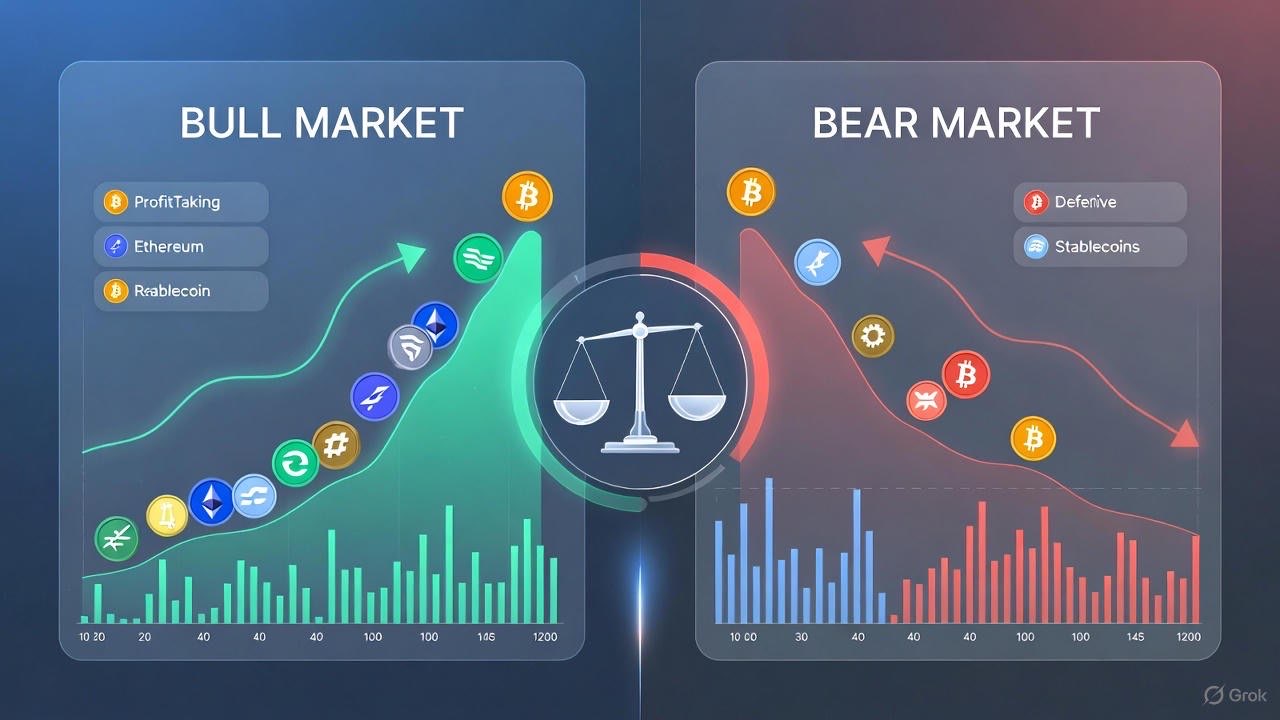
What Is Market Cap Weighted Allocation? Market cap weighting assigns portfolio percentages proportional to each asset’s market capitalization. In practice, this means:Bitcoin gets the largest weight Ethereum gets the second-largest weight Smaller altcoins receive smaller weightsThink of it like buying shares in a mutual fund — the bigger companies naturally make up more of your investment.Learn more about Factor-Based Allocation Strategies and Dynamic Portfolio Allocation.Story Mode: Learning From a Beginner’s Mistake Meet Alex, a new crypto investor. Alex was excited about a new meme coin that was trending on social media. Seeing its potential, Alex invested half of their $10,000 portfolio into this tiny altcoin, while the rest was split among Bitcoin and Ethereum. Within a week, the meme coin crashed 60%, wiping out a significant chunk of Alex’s portfolio. Meanwhile, the Bitcoin and Ethereum holdings remained relatively stable. If Alex had used a market cap weighted allocation, most of their money would have stayed in large-cap coins, reducing the impact of small, risky altcoins. Alex would still have exposure to smaller coins, but losses would have been far less devastating.Lesson: Market cap weighting naturally favors stability while still giving exposure to growth opportunities in smaller coins. Related reading: Crypto Portfolio Allocation for BeginnersAdvantages of Market Cap WeightingReflects market liquidity Reduces risk of small, illiquid altcoins dominating the portfolio Easy to implement and maintainThink of it as a “set-and-forget” approach that protects your portfolio from overconcentration in risky bets.For advanced risk management, see Rebalancing Your Crypto PortfolioImplementation Example Let’s say your portfolio includes:Bitcoin (BTC) — $50B market cap Ethereum (ETH) — $25B market cap A handful of smaller altcoins — $5B combinedStep 1: Calculate total market cap = 50 + 25 + 5 = 80BStep 2: Assign portfolio weights proportionally: BTC = 50 / 80 = 62.5% of your portfolio ETH = 25 / 80 = 31.25% Altcoins = 5 / 80 = 6.25%Step 3: Rebalance periodically as market caps and prices shift. For step-by-step rebalancing, see How to Rebalance a Crypto PortfolioLimitationsLarge-cap dominance may reduce potential upside from small altcoins Less flexible in capturing short-term trends in small-cap coins May need manual adjustment for long-term strategic goals For dynamic adjustments based on market conditions, see Dynamic Portfolio AllocationStory Mode: Staying Disciplined Jordan is a crypto investor who follows market cap weighting. During a sudden altcoin boom, Jordan noticed smaller coins spiking 50–100% in a week. Normally, Jordan might have chased these gains emotionally. But because the portfolio is market cap weighted, only a small portion of the portfolio was in these altcoins. Jordan’s portfolio remained balanced, losses were minimized when the market corrected, and there was still enough exposure to profit from major coins’ stability. Lesson: Market cap weighting helps you stay disciplined and avoid panic decisions while still participating in growth. Related concept: Factor-Based AllocationFinal Thoughts Market cap weighting is a stable, risk-conscious allocation method. It’s ideal for beginners or long-term investors who want to mirror market dominance without overexposing themselves to risky altcoins. By combining this approach with periodic reviews, you maintain a portfolio that balances stability, growth, and peace of mind. See the full Txchyon Portfolio Management Hub for allocation, rebalancing, and performance tracking guides.
- Nefu
- 25 Dec 2025
- Portfolio management
Rebalancing Strategies During Bull & Bear Crypto Markets
Rebalancing Feels Very Different in Bulls vs Bears — Here’s Why Let’s start with a situation almost every crypto investor has lived through. Mike built a solid crypto portfolio early in a bull market. He had a clear allocation, tracked his positions, and even read about rebalancing. Everything looked perfect. Then prices started ripping. Bitcoin doubled. Ethereum outperformed. A few altcoins went vertical. Every time Mike checked his portfolio, it was higher than the last time. He knew he was supposed to rebalance. But emotionally, it felt insane.“Why would I sell what’s working?”So he didn’t. This is where most investors first learn that rebalancing behaves very differently depending on the market cycle.Why Market Conditions Matter for Rebalancing Rebalancing exists to correct allocation drift — but how your portfolio drifts depends on whether markets are rising or falling. In bull markets:Winners expand rapidly Risk concentrates quietly Portfolios become fragile without looking dangerousIn bear markets:High-risk assets shrink faster Volatility increases Investors freeze or panicThe rules don’t change — but the context does. If you’re new to rebalancing mechanics, start here: 👉 How to Rebalance a Crypto Portfolio (Simple Step-by-Step Guide)Rebalancing During Bull Markets (Where Most Mistakes Happen) Bull markets feel forgiving. Gains hide mistakes. That’s exactly why rebalancing is hardest — and most important — during these periods. What Actually Happens in a Bull Market Assume a simple allocation:Bitcoin: 40% Ethereum: 30% Altcoins: 30%After a strong rally:Bitcoin grows to 45% Ethereum to 35% Altcoins balloon to 45%Nothing looks wrong — until volatility hits. Your portfolio is now far riskier than you intended, even though performance looks incredible. This is allocation drift in disguise.Smart Rebalancing Strategies for Bull Markets 1️⃣ Trim Winners Gradually Bull market rebalancing isn’t about exiting positions — it’s about reducing concentration risk. You:sell a portion of outperformers bring weights closer to target lock in gains systematicallyThis reinforces discipline without killing upside.2️⃣ Rebalance on Strength, Not Fear The best time to rebalance is:after strong rallies during euphoric sentiment when selling feels emotionally wrongThat discomfort is usually the signal that rebalancing is doing its job.3️⃣ Don’t Confuse Rebalancing With Chasing A common bull-market error:trimming disciplined positions rotating into hype-driven assets calling it “optimization”True rebalancing follows your original allocation logic, not Twitter trends. If allocation fundamentals aren’t clear yet: 👉 Crypto Portfolio Allocation for BeginnersBear Markets Change Everything When the market turned, Mike froze. Prices dropped 20%. Then 40%. Then more. He stopped rebalancing entirely.“What’s the point? Everything is down.”This is where rebalancing shifts from growth optimization to capital preservation.What Happens to Portfolios in Bear Markets Bear markets exaggerate risk:Volatile assets collapse faster Defensive assets shrink less Emotional decision-making increasesIronically, not rebalancing can increase risk, even as portfolio value falls. This is where risk management matters more than performance: 👉 Crypto Portfolio Risk Management ExplainedSmart Rebalancing Strategies for Bear Markets 1️⃣ Reduce Risk — Don’t Chase Recovery Bear market rebalancing focuses on:reducing exposure to extreme volatility increasing relative stability keeping capital intactIt’s not about timing the bottom — it’s about surviving to the next cycle.2️⃣ Use Rules, Not Hope Hope-driven behavior looks like:refusing to cut exposure waiting for “one more bounce” abandoning structureRule-based rebalancing removes emotion from decisions when emotions are strongest.3️⃣ Let Volatility Guide Adjustments High volatility:drains psychological capital forces bad trades delays recoveryReducing exposure to high-volatility assets improves survivability. This pairs well with: 👉 Volatility-Adjusted Portfolio AllocationA Tale of Two Investors in the Same Market Mike and Sarah entered the same bear market. Mikestopped rebalancing held everything capitulated near the bottomSarahreduced exposure gradually rebalanced defensively preserved capital had liquidity when conditions stabilizedSame market.Different outcomes.Bull vs Bear Rebalancing (Simple Comparison) Bull MarketsGoal: control risk Action: trim winners Enemy: greedBear MarketsGoal: survive Action: reduce volatility Enemy: panicRebalancing doesn’t predict cycles — it adapts to them.Why Most Investors Learn This the Hard Way Rebalancing during bulls feels like self-sabotage.Rebalancing during bears feels pointless. That’s why most investors skip both — and pay for it later. Mike eventually changed one rule:“I rebalance more aggressively when I feel the most emotional.”That single rule saved his next cycle.Final Thoughts Bull markets reward discipline.Bear markets punish its absence. Rebalancing isn’t about maximizing upside — it’s about avoiding fatal mistakes. If you can rebalance through both euphoria and despair, you gain an edge most crypto investors never develop: staying in the game long enough to win.

- Nefu
- 25 Dec 2025
- Portfolio management
Portfolio Allocation for Multi-Chain Crypto Investors
Why Multi-Chain Allocation Matters (with Jasmine’s Story) As crypto expands beyond Bitcoin and Ethereum, allocating across multiple blockchains improves diversification and reduces single-chain risk. Take Jasmine, a developer-turned-crypto investor. She started with 70% BTC and 30% ETH. One day, she discovered Solana and Polygon had promising ecosystems with staking and innovative DeFi projects. Instead of dumping her existing holdings, she gradually allocated 10% to Solana and 5% to Polygon. Months later, during an Ethereum network congestion event, her BTC and ETH positions slowed while her Solana and Polygon investments continued to grow and earn staking rewards. By diversifying across chains, Jasmine captured upside and reduced the impact of a single-chain disruption, all while keeping her long-term strategy intact.Start with core allocation: Crypto Portfolio Allocation for Beginners (Simple, Low-Risk Framework)Steps to Multi-Chain AllocationIdentify Chains with Strong FundamentalsLook at adoption, security, developer activity, and ecosystem growth. Assign Allocation Percentages Per ChainDetermine how much of your portfolio each chain should hold based on risk appetite. Jasmine kept her new chains under 20% initially. Allocate Within Each ChainDiversify across tokens within the chain. Avoid putting all eggs in one small-cap coin. Track Portfolio PerformanceMonitor value, risk, and returns for each chain and token. Example tool: How to Track Crypto Portfolio Performance (Metrics That Actually Matter) Rebalance PeriodicallyAdjust weights to maintain target allocations across chains and assets. Guide: How to Rebalance a Crypto Portfolio (Simple Step-by-Step Guide)Considerations for Multi-Chain PortfoliosCorrelation Between ChainsHigh correlation reduces diversification benefits. Liquidity DifferencesSome chains and tokens are harder to trade without slippage. Transaction Fees and Bridging CostsMoving assets across chains can eat profits if not planned. Governance and Staking MechanicsUnderstand rewards, lockups, and risks before allocating.Jasmine learned that bridging fees can reduce gains if you rebalance too often, so she planned tactical moves around staking and rewards cycles.Benefits of Multi-Chain AllocationReduces Single-Chain Risk: If one network faces issues, other chains cushion the impact. Captures Innovation: New chains often host innovative projects and DeFi protocols. Balances Returns and Volatility: Smoother growth by spreading exposure.Think of multi-chain allocation like a basket of different fruits: if one goes bad, the others still feed you.Final Thoughts Multi-chain allocation future-proofs your portfolio while complementing strategies like dynamic, factor-based, or volatility-adjusted approaches. Like Jasmine, investors who diversify carefully across chains can capture opportunities, reduce risk, and stay aligned with their long-term goals.
- Nefu
- 25 Dec 2025
- Portfolio management
Tactical Crypto Portfolio Adjustments for Opportunistic Investors
What Are Tactical Portfolio Adjustments? (with Alex’s Story) Tactical portfolio adjustments are short-term changes to your crypto allocation based on market signals, without abandoning your long-term strategy. Meet Alex. He’s a mid-level crypto investor who follows a solid core allocation: 50% Bitcoin, 30% Ethereum, 20% altcoins. One week, rumors surface about a major partnership for a smaller altcoin, causing it to spike 40% overnight. Alex sees an opportunity to tactically increase exposure to this altcoin by 5–10%, while keeping his core allocation largely intact. A few days later, the news plays out and the altcoin retraces. Because Alex limited the tactical adjustment and followed his rules, he locked in a small gain without derailing his portfolio. This illustrates the essence of tactical adjustments: opportunistic, measured, and disciplined. Tactical moves can include:Momentum plays on short-term trends Temporary risk-off moves during market turbulence Event-driven shifts, like announcements or forksThese moves enhance returns without abandoning your long-term allocation.Builds on: Crypto Portfolio Allocation for Beginners (Simple, Low-Risk Framework)Key Principles for Tactical AdjustmentsMaintain Core Strategic AllocationYour long-term portfolio is your anchor. Tactical moves should never replace it. Alex always keeps at least 80–90% of his original allocation untouched. Limit Tactical DeviationsSmall, controlled adjustments (5–15% of the portfolio) prevent overexposure and reduce emotional trading risk. Avoid Emotional TradingTactical adjustments are rules-based, not reactive. If the altcoin Alex liked suddenly crashed, he wouldn’t panic-sell — the adjustment was temporary and measured. Track PerformanceRegularly evaluate how tactical moves affect portfolio returns. Metrics include realized gains, drawdowns, and risk-adjusted performance. Consider RiskTactical moves must consider liquidity, volatility, and market correlation. Alex avoids tiny illiquid coins, even if the hype is high, because he knows the risk outweighs the opportunity.See related: How to Track Crypto Portfolio Performance (Metrics That Actually Matter)Learn risk management basics: Crypto Portfolio Risk Management Explained (Protect Capital First)Benefits of Tactical AdjustmentsCapture Short-Term Opportunities: Profit from events, trends, or news. Improve Risk-Adjusted Returns: Incremental gains enhance overall portfolio performance. Enhance Flexibility: You can act without abandoning your strategic framework.Alex noticed that tactical adjustments added around 3–5% annualized return to his portfolio over two years without increasing volatility significantly.Risks to ManageOver-Trading: Frequent adjustments erode profits through fees and slippage. Ignoring Fees: High-frequency trades can kill small tactical gains. Emotional Decisions: Reacting to hype or fear undermines strategy. Portfolio Drift: Tactical adjustments without proper rebalancing can slowly alter your intended allocation.Alex once got too excited during a hype cycle and increased his tactical allocation to 30% — the altcoins tanked the next day. Lesson: stick to rules, not emotions.Step-by-Step ApproachIdentify Tactical SignalsMomentum, news events, or short-term technical setups. Define Maximum Tactical ExposureLimit temporary adjustments to a small portion of your portfolio. Allocate and DocumentExecute trades, and note the reasoning and rules for future review. Monitor and AdjustTrack performance, but avoid emotional reactions. Rebalance Back to Core AllocationOnce the tactical opportunity passes or risk increases, return allocations to your strategic targets.Think of tactical adjustments like seasoning a dish: a little spice improves flavor, but too much can ruin the meal.Final Thoughts Tactical crypto adjustments are opportunistic, disciplined moves that complement a core allocation. Alex’s story highlights the key takeaway: when executed systematically, these short-term changes can enhance returns, control risk, and keep you aligned with long-term goals. Remember, tactical adjustments are supplemental, not a replacement for your strategic portfolio. The secret is measured, rules-based action.
- Nefu
- 25 Dec 2025
- Portfolio management
Tax-Efficient Rebalancing Strategies for Crypto
What Is Tax-Efficient Rebalancing? Tax-efficient rebalancing reduces taxable events when adjusting allocations:Use tax-loss harvesting opportunities Avoid unnecessary sales Plan trades around gains and lossesLinks to: Crypto Tax-Loss Harvesting Explained (Save on Capital Gains)How to Rebalance Tax-EfficientlyIdentify positions with unrealized losses Prioritize selling them to offset gains Adjust other allocations using minimal taxable trades Track portfolio performance: How to Track Crypto Portfolio Performance (Metrics That Actually Matter)BenefitsMinimizes tax burden Maintains target allocation Enhances long-term returnsFinal Thoughts Tax-efficient rebalancing combines allocation discipline with strategic tax planning, a must for serious crypto investors.