

-
 Nefu
Nefu - 23 Dec 2025
- Getting started
Dollar Cost Averaging Explained: The Best Strategy for Crypto Beginners
Introduction: Why Dollar-Cost Averaging Matters for Crypto Beginners Cryptocurrency prices swing dramatically, making it nearly impossible for anyone — even professionals — to buy at the perfect low consistently. Attempting to time the market often leads to missed opportunities or buying at peaks due to emotion. Dollar-cost averaging (DCA) is a simple, disciplined strategy that removes timing pressure. You invest a fixed amount at regular intervals, regardless of price. Over time, this averages your entry cost and reduces volatility's impact. Searches for "dca crypto strategy" and "dollar cost averaging bitcoin" remain popular because DCA consistently outperforms emotional trading for most long-term investors. In 2026, with automated tools on every major platform, implementing DCA has never been easier. This guide explains DCA thoroughly: how it works, real examples, pros and cons, and step-by-step setup. It is especially valuable for beginners building positions without constant stress. Combine this with emotional insights from our crypto investing psychology guide and avoid pitfalls in our 10 biggest crypto mistakes. What Is Dollar-Cost Averaging? DCA involves dividing your total investment amount into smaller, equal purchases made on a fixed schedule — weekly, bi-weekly, or monthly. You buy more when prices are low and less when prices are high, naturally averaging your cost basis without trying to predict movements. Example schedule:Invest $200 every Monday. Or $500 on the 1st of each month.The key: Stick to the plan regardless of market conditions. How DCA Works: A Simple Example Suppose you plan to invest $1,200 in Bitcoin over 6 months ($200/month).Month BTC Price $200 Buys Total BTC Average Cost1 $50,000 0.004 BTC 0.004 $50,0002 $40,000 0.005 BTC 0.009 $44,4443 $35,000 0.00571 BTC 0.01471 $40,7894 $45,000 0.00444 BTC 0.01915 $41,2535 $60,000 0.00333 BTC 0.02248 $44,4846 $55,000 0.00364 BTC 0.02612 BTC $45,940Total invested: $1,200Total BTC: ~0.02612Average cost per BTC: ~$45,940 If you invested the full $1,200 at the highest price ($60,000), you would own only 0.02 BTC.DCA gave you 30% more Bitcoin for the same money. Benefits of DCA for Crypto InvestorsReduces Emotional DecisionsNo need to watch charts constantly or fear missing out.Lowers Average CostAutomatically buys more during dips.Simplifies InvestingSet it and forget it — perfect for busy beginners.Mitigates VolatilitySmooths entry price over time.Encourages DisciplineBuilds consistent saving habits.Historical data shows DCA outperforms lump-sum timing attempts for most retail investors. Potential DrawbacksOpportunity Cost in Strong Bull MarketsLump-sum investing can outperform if prices only go up.Fees Add UpFrequent small purchases may incur more transaction costs (minimized on low-fee platforms).Requires PatienceNo quick wins — suited for long-term holders.For most beginners, benefits far outweigh drawbacks. When DCA Works BestHigh-volatility assets like Bitcoin and Ethereum. Long-term holding horizon (1+ years). When you have regular income to allocate. During uncertain or bearish periods.How to Set Up DCA in 2026 Most major platforms offer automated recurring buys. Popular OptionsCoinbase Recurring buys daily, weekly, or monthly. Supports bank or card funding.Binance Auto-invest feature with flexible schedules. Wide asset selection.Kraken Recurring orders with customizable frequency.Crypto.com Easy recurring purchases tied to their app.Swan Bitcoin / Strike (Bitcoin-focused) Specialized DCA services with very low fees.Steps (general):Complete account verification. Link payment method. Navigate to recurring or auto-invest section. Choose asset, amount, and frequency. Confirm and activate.Start small ($50-100 per interval) to test. For manual DCA, set calendar reminders and buy consistently. Advanced TipsUse low-fee platforms or bank transfers to minimize costs. Combine with personal wallet transfers — see our transfer guide. Adjust amounts as income grows, but keep frequency consistent. Track average cost in a spreadsheet for motivation.DCA vs Other StrategiesStrategy Timing Required Emotional Load Best ForDCA None Low Beginners, long-termLump Sum High High Confident timingValue Averaging Moderate Moderate Advanced usersDCA wins for simplicity and psychological ease. Real-World Success Stories Many long-term Bitcoin holders credit DCA for building substantial positions through multiple cycles. Starting small in 2017-2020 and continuing through 2022's bear market positioned them well for subsequent recoveries. Conclusion: Make DCA Your Default Strategy Dollar-cost averaging removes guesswork and emotion from crypto investing. It turns volatility from an enemy into an ally by letting you accumulate more during dips. Implement DCA from your first purchase. Choose an amount and schedule you can maintain consistently. Support your strategy with:Safe buying: How to buy Bitcoin guide Platform comparison: Best crypto exchanges Secure storage: Best wallets and transfer instructionsTools make DCA effortless. I've always used dca to accumulate in the past, you just need to Start today, stay consistent, and let time and discipline work for you.
- Nefu
- 23 Dec 2025
- Getting started
How to Set Up Exodus Wallet: Step-by-Step Tutorial for Beginners
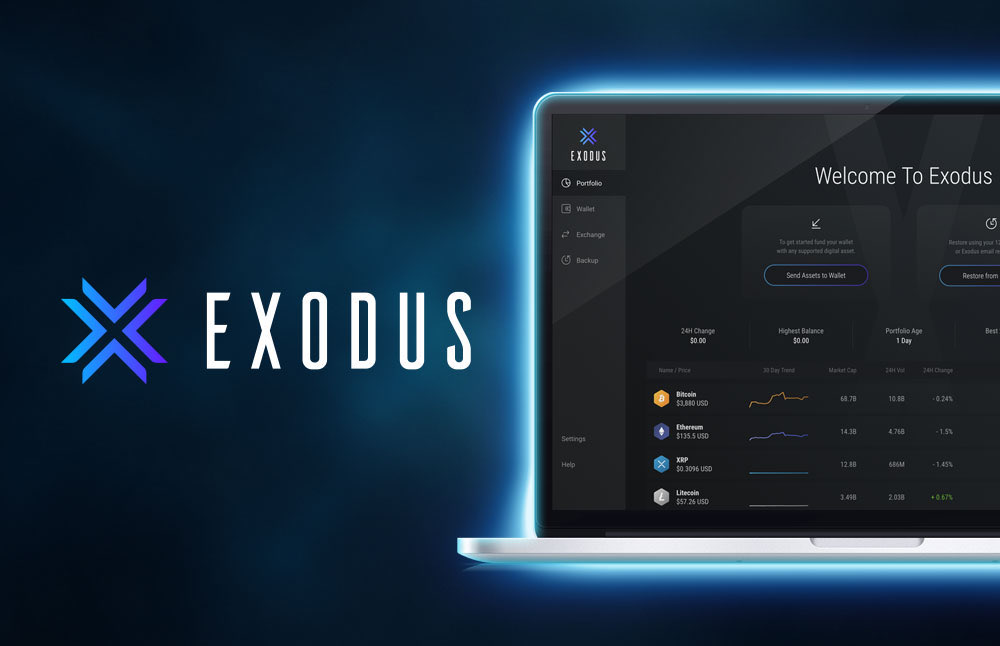
This is definitely a OG wallet for beginners, I really love the UI and the smoothness of the wallet. If you plan on buying lots of different coins this is the wallet for you. Exodus Wallet remains one of the most beginner-friendly and visually appealing non-custodial wallets in 2026. It supports over 300 cryptocurrencies and thousands of tokens across major blockchains including Bitcoin, Ethereum, Solana, Cardano, BNB Chain, Polygon, Avalanche, and many others—all in a single, beautifully designed app. What sets Exodus apart is its polished interface, built-in exchange for swapping assets, portfolio tracking with charts, staking options, and seamless sync between desktop and mobile. It's available as a desktop app (Windows, Mac, Linux) and mobile app (iOS and Android), with optional hardware wallet integration. As a closed-source but heavily audited non-custodial wallet, you control your private keys and 12-word recovery phrase. This guide will walk you through setting up Exodus safely, backing up your phrase, and preparing for your first transactions—helping you avoid the 10 Biggest Crypto Mistakes Beginners Make in 2026. Why Choose Exodus Wallet as a Beginner? Exodus is ideal for newcomers who want simplicity without sacrificing features:Stunning Design: Clean, intuitive layout with real-time charts—perfect for tracking your portfolio. Broad Asset Support: Hold Bitcoin, Ethereum, altcoins, and tokens in one place. Built-in Exchange: Swap assets directly in the wallet (powered by reliable partners). Desktop + Mobile Sync: Use the same wallet across devices seamlessly. Staking and Rewards: Earn on select assets like SOL, ADA, or ATOM. Hardware Wallet Support: Pair with Trezor for enhanced security.For comparisons with other options, see Best Crypto Wallets for Beginners in 2026: Top Picks and Reviews. Mobile-first users might compare with Trust Wallet, while EVM-focused users often prefer Rabby or MetaMask. Prerequisites Before StartingA computer (for desktop version) or smartphone (iOS/Android). A private location to write down your recovery phrase. Paper and pen—never store digitally initially.Step-by-Step Guide to Setting Up Exodus Wallet The process is straightforward and takes under 10 minutes. Step 1: Download Exodus from the Official Website Always download directly from the source to avoid malware:Visit https://www.exodus.com/download Choose your platform: Desktop (Windows, Mac, Linux) or Mobile (iOS/App Store or Android/Google Play links provided on site).Warning: Only use https://www.exodus.com. Never download from third-party sites or torrents—fake versions can steal your funds. Step 2: Install and Open the AppRun the installer (desktop) or install from your app store (mobile). Open Exodus. On first launch, you'll see options: Create New Wallet or Restore from Backup.Step 3: Create a New WalletSelect Create New Wallet. Exodus will generate a 12-word secret recovery phrase. Write down the words exactly in order on paper. Do not screenshot or save digitally. Confirm by re-entering a few random words or the full phrase (depending on version).This phrase is your only backup. Store it securely offline—losing it means permanent loss of access. For additional security tips, review How to Transfer Crypto from Exchange to Wallet Safely in 2026. Step 4: Set Up Security FeaturesCreate a strong password (desktop) or enable app PIN/biometrics (mobile). Turn on Face ID/Touch ID (mobile) or fingerprint (if supported). Optionally enable email notifications for large transactions.Exodus encrypts your keys locally—no data is sent to their servers. Step 5: Explore Your New WalletYour portfolio screen shows total value and asset breakdown with beautiful charts. Assets are grouped by blockchain—enable/disable specific ones in settings. Tap/click Receive on any asset to get its deposit address.Exodus auto-adds popular tokens and supports custom additions. Step 6: Fund Your Wallet (Optional but Recommended) To test the setup:Use the built-in Exchange tab to swap fiat or other crypto (via partners). Or transfer from an exchange using your Exodus receive address.New to buying? Start with How to Buy Bitcoin for Beginners: Complete Step-by-Step Guide 2026 or How to Buy Crypto for Beginners: Complete Step-by-Step Guide 2026. Practice sending a small amount back to an exchange to confirm everything works. Restoring or Importing an Existing Wallet Have a previous Exodus backup or another wallet's phrase?Choose Restore from Backup on startup. Enter your 12-word phrase. Exodus will recover all supported assets and balances.Note: Exodus primarily supports its own format—importing from other wallets (e.g., MetaMask) may require moving assets manually. Advanced Features to Explore Later Once comfortable:In-App Exchange: Swap between supported assets instantly. Staking: Earn rewards on PoS chains. Portfolio Analytics: Track performance over time. Trezor Integration: Use hardware wallet for signing while keeping Exodus interface. Web3 Browser (Mobile): Connect to some dApps.These support long-term approaches like Dollar Cost Averaging Explained: The Best Strategy for Crypto Beginners in 2026. Common Issues and TroubleshootingAssets Not Showing: Ensure the specific blockchain is enabled in settings. Sync Delays: Some chains take time to fully sync—refresh or restart. High Fees: Use custom fee settings during congestion. Official support: https://www.exodus.com/supportEssential Security Best PracticesNever share your recovery phrase or password. Download updates only from official sources. Verify addresses carefully when sending. Avoid FOMO-driven decisions—read Crypto Investing Psychology: Mastering Emotions and Avoiding FOMO as a Beginner in 2026.Exodus makes managing a diverse portfolio enjoyable and secure. Whether you're holding top assets from Top 10 Cryptocurrencies Explained for Absolute Beginners in 2026 or debating Bitcoin vs Ethereum: Which is Better for Beginners in 2026, Exodus provides an excellent all-in-one home. Welcome to beautiful self-custody—enjoy building your portfolio!

- Nefu
- 22 Dec 2025
- Prediction markets
What Is Worm.wtf? The Complete Beginner’s Guide
What Is Worm.wtf? The Complete Beginner’s Guide In the wild world of prediction markets, where people turn their hunches about elections, crypto pumps, and celebrity drama into actual profits. A new contender has slithered onto the scene with surprising speed. Worm.wtf launched in mid-October 2025 on Solana, and by December it had already raised $4.5 million in pre-seed funding from heavy hitters like Solana Ventures and Alliance. It is not just another platform. It is the cheeky, creator focused upstart that lets anyone spin up a market with the help of AI, earn fees from trades, and even add leverage for those who like their predictions with a bit more kick. If you have already read our guide on What Is Polymarket?, you know how that platform dominated the space with massive volume during big events. Worm.wtf takes a different approach: faster, cheaper, and far more permissionless, turning users into mini-entrepreneurs who profit from viral topics. How Worm.wtf Works (Simple Explanation) At its core, Worm.wtf is a binary prediction market. Events are framed as yes/no questions, like "Will Bitcoin hit $150,000 by March 2026?" or "Will Taylor Swift announce a new album before summer?" Shares trade between near zero and $1, with the price reflecting the crowd's perceived probability.You buy Yes if you think it will happen, No if you think it will not. If you are right at resolution, your shares settle at $1 each. Wrong? They go to zero. No house edge, just peer-to-peer trading. Some multiple choice dual to quadruple yes and no markets exist as well. What sets it apart is the ease of creation. Describe your idea in plain English to the Worm AI (or tag their bot on X), and it generates a market with clear rules, sources for resolution, and a fair 50/50 start. Markets use UMA's optimistic oracle for settlement once volume hits around $200, keeping things decentralized and trustworthy. Add in pre-sales with bonding curves for early liquidity (zero loss if no one trades), limit orders, and leveraged positions up to 3x or more, and you have a platform built for rapid, viral growth. Why Worm.wtf Is Gaining Traction So Fast Prediction markets are not new, but Worm.wtf solves pain points that have plagued the space for years. While platforms like Polymarket exploded with billions in volume on major events, they often feel gated: creating markets requires approval, fees go mostly to the platform, and gas costs on Polygon can add up. BREAKING: @wormdotwtf launches the first leverage product for prediction markets 🪱🔥 pic.twitter.com/0cEYk7C4eS — Solana (@solana) December 13, 2025Worm.wtf flips the script. Creators earn a solid cut of trading fees 2.5% of the trading volume, incentivizing wild, niche, and timely markets that spread like memes. Solana's blistering speed and microscopic fees make trading feel instantaneous and almost free, perfect for the degens who jump on breaking news. The AI market generator lowers the barrier so much that literally anyone with a hot take can launch a market in minutes. Leverage adds spice for risk-takers, something most competitors lack. Early backing and quick adoption show promise: markets pop up daily on everything from geopolitics to memecoin milestones, drawing in Solana's vibrant community. Worm.wtf vs Polymarket, Augur, and Kalshi: Key Advantages No prediction market guide would be complete without a comparison. Here is how Worm.wtf stacks up. Against Polymarket: Polymarket is the undisputed volume king, with polished UX and massive liquidity on big events. But Worm.wtf wins on speed (Solana vs Polygon), cost (pennies vs dollars in peak times), creator rewards (you earn vs platform takes all), and permissionless creation (AI instant vs approval process). If Polymarket is the Wall Street of predictions, Worm is the chaotic Solana casino where creators get paid. Against Augur: The OG decentralized platform on Ethereum suffered from high gas, complexity, and slow adoption. Worm.wtf is light-years ahead in usability, with AI creation and fast resolution. Augur feels like a relic; Worm feels like the future. Against Kalshi: The regulated, fiat-friendly option for US users shines on traditional events with legal clarity. But it lacks crypto's edge: no permissionless markets, no creator earnings, higher barriers, and no leverage. Worm.wtf is pure crypto freedom, riskier but far more innovative and rewarding for power users. In short, Worm.wtf prioritizes creators, speed, and fun over sheer scale, making it ideal for the next wave of viral, community-driven predictions. Worm is also Decentralized you hold your own keys, and you can create your own markets. Who Should Use Worm.wtf? If you love Solana's ecosystem, crave creating your own markets, or want to trade niche events without waiting for platform approval, this is your spot. Crypto natives chasing alpha on fast-moving topics will feel right at home. Beginners can start small, thanks to low fees and simple wallet connects. It is less suited for those needing fiat on-ramps or ironclad regulation, where Kalshi or Polymarket might fit better.How to Get Started on Worm.wtf (Step-by-Step)Grab a Solana wallet like Phantom or Solflare.Load it with USDC (buy on exchanges or swap via Jupiter).Head to worm.wtf and connect your wallet.Browse trending markets or search for topics.Trade Yes/No shares directly.Want to create? Click the create button, chat with the AI, and launch.Trading feels snappy, and with creator fees rolling in for popular markets, some users are already earning passively from their ideas. Creators can create directly from X.com heres howCreate a market from XGo to worm.wtf connect your wallet (Phantom, Solflare, Backpack)Navigate to the settingVerify on X to create & publishConnect your X account After that you can just tweet Tag @WormPredict, e.g. "Hey @WormPredict, create a market: Will Taylor Swift be pregnant by end of 2025?"Then Worm AI builds & publishes it in your X comments Share, attract traders, and earn 2.5% creator feesIs Worm.wtf Safe and Legit? Built on Solana with UMA oracles, settlements are transparent and automated. As a young platform, it carries typical crypto risks: smart contract bugs, oracle disputes, or low liquidity on obscure markets. But strong funding and rapid growth signal legitimacy. Always start small and DYOR on resolution rules. Final Thoughts — Is Worm.wtf Worth Trying? Prediction markets are one of the most intellectually stimulating corners of crypto, and Worm.wtf makes them more accessible and profitable for creators than ever before. While it may not dethrone Polymarket's volume overnight, its focus on permissionless innovation, AI tools, and Solana speed positions it perfectly for the meme-driven, fast-paced future. If you are building a portfolio of prediction platforms, add Worm.wtf to the list. It is fresh, fun, and full of potential. Check out the rest of our Prediction Markets category for deep dives on other platforms. Next up: more guides to help you navigate this growing space.
- Nefu
- 22 Dec 2025
- Getting started
Best Crypto Wallets for Beginners: Top Picks and Reviews
Introduction to Choosing the Best Crypto Wallet in 2026 Securing your cryptocurrency starts with the right wallet. A crypto wallet stores your private keys, giving you control over your assets on the blockchain. For beginners, selecting a reliable and user-friendly option can prevent costly mistakes and build confidence from day one. Searches for "best crypto wallets for beginners" and "best beginner crypto wallet 2026" consistently rank high because new users prioritize security and simplicity. In 2026, the wallet landscape includes improved mobile apps, advanced hardware devices, and better integration with decentralized applications. This guide reviews the top crypto wallets suitable for newcomers. We cover both software (hot) and hardware (cold) options, compare key features, and provide practical recommendations. Whether you plan to hold Bitcoin, Ethereum, or multiple assets, these picks balance ease of use, security, and functionality. Before diving in, review core concepts in our crypto terminology glossary and learn common pitfalls in our 10 biggest crypto mistakes beginners make. For foundational knowledge, start with what is cryptocurrency. Types of Crypto Wallets: Hot vs Cold Storage Understanding wallet types helps you choose wisely.Software Wallets (Hot Wallets): Connected to the internet for convenience. Ideal for frequent transactions and smaller amounts. Examples include mobile apps and browser extensions. Hardware Wallets (Cold Wallets): Offline physical devices offering the highest security for long-term storage. Best for larger holdings.Many beginners start with a software wallet for learning, then move significant funds to hardware.Feature Software Wallets Hardware WalletsInternet Connection Required OfflineEase of Use High ModerateSecurity Level Good (with precautions) ExcellentCost Usually free $50–$200Best For Daily use, small amounts Long-term storage, large amountsTop Software Wallets for Beginners in 2026 Software wallets provide the easiest entry point. 1. MetaMask Popular browser extension and mobile app for Ethereum and compatible chains. Pros: Intuitive interface, built-in dApp browser, supports thousands of tokens.Cons: Primarily focused on Ethereum ecosystem.Best For: DeFi and NFT beginners. 2. Trust Wallet Mobile-first wallet owned by Binance. Pros: Supports multiple blockchains, built-in staking and dApp browser, non-custodial.Cons: Mobile-only (no desktop version).Best For: Multi-chain users on mobile. 3. Coinbase Wallet Separate non-custodial wallet from Coinbase exchange. Pros: Seamless integration with Coinbase for easy transfers, user-friendly design.Cons: Tied to Coinbase ecosystem.Best For: Users already on Coinbase. 4. Phantom Leading wallet for Solana ecosystem. Pros: Fast and sleek interface, excellent for Solana dApps and NFTs.Cons: Primarily Solana-focused.Best For: Solana beginners – follow our detailed Phantom wallet setup tutorial. 5. Exodus Desktop and mobile wallet with built-in exchange. Pros: Beautiful design, supports over 300 assets, portfolio tracking.Cons: Closed-source code.Best For: Multi-asset holders wanting an all-in-one solution. Top Hardware Wallets for Beginners in 2026 For serious security, hardware wallets remain unmatched. 1. Ledger Nano S Plus Entry-level device from the leading brand. Pros: Affordable, supports thousands of coins, Bluetooth option available on higher models.Cons: Screen is small.Best For: Budget-conscious users storing multiple assets. 2. Ledger Nano X Premium model with Bluetooth. Pros: Mobile connectivity, larger storage for apps.Best For: Users wanting wireless convenience. 3. Trezor Model T Touchscreen hardware wallet. Pros: Open-source firmware, excellent security track record, Shamir backup option.Cons: Higher price point.Best For: Privacy-focused beginners. 4. SafePal S1 Budget hardware wallet with air-gapped signing. Pros: Very affordable, QR code transactions (no USB/Bluetooth).Cons: Less known brand.Best For: Extreme budget security. Comparison Table: Best Beginner Wallets 2026Wallet Type Supported Chains/Assets Ease of Use Security Rating Price RecommendationMetaMask Software Ethereum + EVM Excellent Good Free Best overall softwareTrust Wallet Software Multi-chain Excellent Good Free Best mobile multi-chainPhantom Software Solana primarily Excellent Good Free Best for SolanaLedger Nano S Plus Hardware 5,500+ assets Good Excellent ~$79 Best entry hardwareLedger Nano X Hardware 5,500+ assets Very Good Excellent ~$149 Best with BluetoothTrezor Model T Hardware 1,000+ assets Good Excellent ~$179 Best open-sourceKey Factors When Choosing a Wallet Consider these before deciding:Supported Assets: Ensure it handles your current and future coins. Backup and Recovery: All reputable wallets use seed phrases – store them securely offline. User Interface: Beginners benefit from clean, intuitive designs. Community and Support: Established brands offer better resources. Security Features: Look for two-factor options, multisig, and regular audits.Setup and Security Best PracticesDownload only from official websites or app stores. Write down your seed phrase on paper or metal – never digitally. Verify addresses before sending large amounts. Use strong passwords and enable all available security features. Test with small transactions first.For hands-on guidance, see our existing Phantom wallet tutorial or Bitcoin wallet setup. Final Recommendations for BeginnersStarting Small: Begin with MetaMask or Trust Wallet for learning. Holding Long-Term: Pair a software wallet with a Ledger Nano S Plus for cold storage. Multi-Chain Focus: Trust Wallet or Exodus. Solana Users: Phantom is the clear choice.The best wallet combines convenience for daily needs with strong security for savings. Conclusion: Secure Your Crypto Journey from Day One Choosing a solid wallet sets the foundation for safe participation in cryptocurrency. Prioritize non-custodial options that give you full control. After setup, learn safe buying practices in our how to buy crypto guide and explore platforms via our best crypto exchanges review. Stay informed, practice good habits, and your wallet will serve you well through 2026 and beyond.
- Nefu
- 22 Dec 2025
- Getting started
Bitcoin vs Ethereum: Which is Better for Beginners
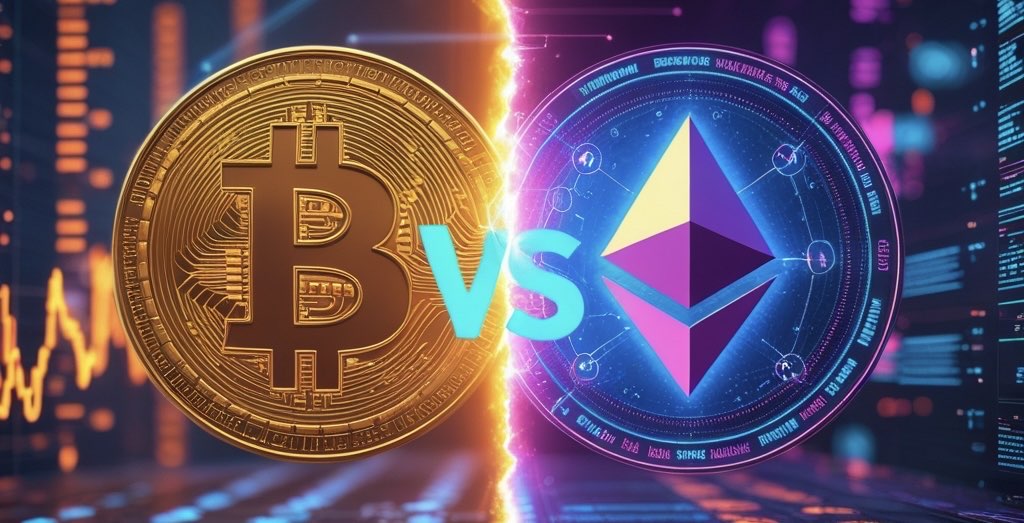
Introduction: Bitcoin vs Ethereum for Beginners When new investors enter cryptocurrency, the first big question is often: Should I start with Bitcoin or Ethereum? These two dominate the market, representing over 70% of total crypto market capitalization in late 2025. Searches like "bitcoin vs ethereum for beginners" and "which is better btc or eth 2026" show how common this dilemma is. Both are excellent starting points, but they serve different purposes and carry different risk profiles. This guide breaks down the key differences in simple terms. By the end, you will understand what each offers, the pros and cons for beginners, and how to decide based on your goals. Strengthen your foundation with our crypto terminology glossary and learn foundational concepts in what is cryptocurrency. Core Purpose and Philosophy Bitcoin (BTC) Launched in 2009 by Satoshi Nakamoto, Bitcoin was created as peer-to-peer electronic cash — a decentralized alternative to traditional money. Its primary role today is as digital gold: a store of value with a fixed supply. Ethereum (ETH) Launched in 2015 by Vitalik Buterin, Ethereum is a programmable blockchain. Its native token ETH powers the network, but the real innovation is smart contracts — self-executing code that enables decentralized applications.Aspect Bitcoin EthereumPrimary Purpose Digital money / Store of value Programmable platform / World computerSupply Capped at 21 million coins No hard cap (inflation controlled)Block Time ~10 minutes ~12 secondsMain Use Cases Payments, hedging inflation DeFi, NFTs, dApps, stakingTechnology and Consensus Bitcoin uses Proof of Work, requiring massive energy to secure the network. This makes it extremely secure but slower and more energy-intensive. Ethereum transitioned to Proof of Stake in 2022, allowing users to stake ETH to validate transactions. This is faster, more energy-efficient, and enables passive earning through staking. For beginners, Ethereum's faster confirmations mean quicker transactions in everyday use. Market Position and Adoption in 2026 Bitcoin remains the undisputed leader:Highest market cap by far. Widely accepted by institutions and payment processors. Often viewed as a macro asset alongside gold.Ethereum powers the majority of decentralized finance and Web3 activity:Hosts most DeFi protocols, NFTs, and layer-2 scaling solutions. Growing institutional interest through staking and ETFs.Both have spot ETFs approved in major markets, increasing accessibility. Risks and Volatility Both assets are volatile, but patterns differ. Bitcoin tends to lead market cycles. Major price moves often start with BTC. Ethereum can experience higher percentage swings due to its exposure to DeFi and developer activity. During bull markets, ETH sometimes outperforms BTC significantly. Pros and Cons for Beginners Bitcoin ProsSimpler concept to understand. Strongest brand recognition and network security. Lower risk of fundamental protocol changes. Often seen as safer long-term store of value.Bitcoin ConsLimited functionality beyond holding and transferring. Higher transaction fees during congestion. No native yield (unless wrapped in other products).Ethereum ProsExposure to innovation and growth sectors. Ability to earn staking rewards. Faster and cheaper transactions on layer-2 networks. More diverse ecosystem.Ethereum ConsMore complex (gas fees, layer-2 choices). Higher risk from smart contract vulnerabilities. Ongoing upgrades can introduce uncertainty.Which Should Beginners Buy First? There is no universally correct answer — it depends on your goals. Choose Bitcoin if you want:The safest, most established asset. Simple exposure to crypto as an inflation hedge. Lower maintenance approach (buy and hold).Choose Ethereum if you want:Participation in the growing Web3 ecosystem. Potential for higher growth (and higher risk). Opportunity to learn about staking and dApps.Many experienced investors recommend starting with Bitcoin for its simplicity, then adding Ethereum once comfortable. A balanced approach: Allocate 60-70% to Bitcoin and 30-40% to Ethereum for diversification with reduced complexity. How to Buy Either Safely Both are available on all major exchanges. Follow our step-by-step guides:How to buy crypto How to buy crypto with credit card or PayPal Compare platforms in our best crypto exchanges reviewAfter purchase, secure your assets using recommendations from our best crypto wallets for beginners. Long-Term Outlook in 2026 and Beyond Bitcoin continues maturing as a global reserve asset. Scarcity from halving events and institutional adoption support long-term appreciation. Ethereum benefits from network upgrades improving scalability and reducing fees. Continued growth in DeFi, gaming, and real-world asset tokenization drives demand. Both have strong cases for long-term holding. Conclusion: Start with Your Goals in Mind Bitcoin and Ethereum are not competitors — they complement each other. Bitcoin offers stability and simplicity; Ethereum offers innovation and utility. Most beginners benefit from owning both eventually. If choosing one first, Bitcoin's lower complexity makes it slightly more beginner-friendly. Avoid common errors covered in our 10 biggest crypto mistakes and maintain emotional discipline using insights from our crypto investing psychology guide. Whichever you choose, start small, learn continuously, and secure your investment properly. Welcome to cryptocurrency — you have picked two of the strongest foundations available.

- Nefu
- 22 Dec 2025
- Getting started
Crypto Investing Psychology: Mastering Emotions and Avoiding FOMO as a Beginner
Introduction to Crypto Investing Psychology Cryptocurrency markets are uniquely demanding on an investor's emotions. Extreme volatility, 24/7 trading, and constant social media hype create an environment where feelings often override logic. Many beginners enter expecting quick gains, only to face sharp drawdowns that test their resolve. Searches for "crypto psychology," "avoid FOMO crypto," and "crypto investing mindset" reflect how frequently newcomers struggle with the mental side of the game. In 2026, with maturing markets and greater mainstream participation, emotional discipline remains one of the biggest differentiators between long-term success and costly mistakes. This guide examines the core psychological challenges in crypto investing. It explains why emotions run high, identifies the most common mental traps, and provides actionable strategies to develop a resilient mindset. Mastering these principles early helps you navigate bull runs and bear markets with greater confidence. Build your foundation with our crypto terminology glossary and understand key pitfalls in our 10 biggest crypto mistakes beginners make. When ready to act, explore secure options in our best crypto wallets guide. Why Crypto Triggers Strong Emotions Several factors make cryptocurrency investing psychologically intense:High Volatility: Prices can swing 10-20% in a single day, far exceeding traditional assets. Constant Accessibility: Markets never close, leading to over-monitoring and impulsive decisions. Social Amplification: Platforms like X and Reddit spread narratives rapidly, fueling collective euphoria or fear. Asymmetric Information: New projects and announcements create perceived urgency. Life-Changing Potential: Stories of massive gains heighten expectations and risk tolerance.These elements activate ancient brain responses designed for survival, not modern investing. Common Psychological Traps in Crypto 1. FOMO (Fear of Missing Out) Watching prices rise rapidly while sitting on the sidelines triggers anxiety about missing profits. This often leads to buying at peak prices. Real-world example: Many newcomers bought Bitcoin near its all-time highs during past cycles, only to experience prolonged drawdowns. 2. Panic Selling Sharp drops activate loss aversion—the pain of losses feels twice as intense as the pleasure of equivalent gains. Investors sell at lows to stop the emotional discomfort. 3. Greed and Overconfidence After a winning streak, investors increase position sizes or chase riskier assets, believing they have superior skill. 4. Confirmation Bias Seeking information that supports existing positions while ignoring contradictory evidence. 5. Anchoring Fixating on past prices (e.g., "It was $60,000 before, so it must return there") rather than evaluating current fundamentals. 6. Recency Bias Overweighting recent events when predicting the future. 7. Sunk Cost Fallacy Holding losing positions longer than rational because of prior investment. Strategies to Build Emotional Discipline Developing a strong mindset requires deliberate practice. Implement these approaches consistently. Create and Follow a Plan Define your investment goals, risk tolerance, and strategy before entering positions. Write them down.Decide allocation percentages across assets. Set entry and exit rules in advance. Determine position sizing based on portfolio percentage, not dollar amounts.A clear plan reduces impulsive decisions during emotional periods. Use Dollar-Cost Averaging (DCA) Invest fixed amounts at regular intervals regardless of price. This removes timing pressure and averages entry costs over time. DCA particularly helps beginners avoid FOMO buys at peaks. Limit Exposure to Noise Reduce constant price checking and social media consumption.Check portfolios weekly rather than daily. Curate information sources to reputable analysis rather than hype channels. Use price alerts only for predefined levels.Practice Emotional Awareness Journal trades and emotions. After each decision, note:What triggered the action? How did you feel before and after? Was the decision plan-based or emotional?Reviewing patterns builds self-awareness. Reframe Volatility View drawdowns as normal market behavior rather than personal failure. Historical data shows Bitcoin and major assets recover from significant corrections. Take Profits Systematically Set rules for realizing gains (e.g., sell 20% after 2x return). This counters greed and provides psychological wins. Start Small Begin with amounts you can afford to lose. Smaller stakes reduce emotional intensity while learning. Diversify Thoughtfully Spread across quality assets to reduce stress from any single position. Long-Term Mindset vs Short-Term Trading Most beginners benefit from a long-term approach focused on fundamentals rather than daily price action. Short-term trading amplifies emotional challenges and requires advanced skills. Prioritize understanding technology, adoption trends, and network effects over predicting short-term moves. Real-World Application in 2026 Current market conditions include:Greater institutional participation providing stability. Improved regulatory clarity in major jurisdictions. Maturing infrastructure reducing technical risks.These developments reward patient, disciplined investors more than ever. Tools and Resources for Mental ResiliencePortfolio trackers with limited notifications. Communities focused on education rather than hype. Books on behavioral finance (e.g., classics on investor psychology). Meditation or mindfulness practices for general emotional regulation.Conclusion: Emotions Are the Real Edge Technical knowledge and strategy matter, but emotional control often determines long-term outcomes in crypto. The investors who succeed over multiple cycles are those who master their psychology. Implement one or two strategies from this guide immediately. Small consistent improvements compound significantly. With a solid mindset, you are prepared to act wisely. Choose secure storage with our best crypto wallets recommendations, start safely via our how to buy crypto guide, and avoid pitfalls outlined in our common mistakes article. Crypto investing is a marathon. Build discipline early, stay patient, and let rational decisions guide your journey through 2026 and beyond.

- Nefu
- 22 Dec 2025
- Getting started
How to Set Up MetaMask Wallet: Step-by-Step Tutorial for Beginners
Introduction: Why MetaMask for Beginners MetaMask is the leading non-custodial wallet for Ethereum and EVM chains, with millions of users. It connects to DeFi, NFTs, and dApps seamlessly. In 2026, it supports multiple chains, improved security, and mobile/browser versions. This tutorial covers full setup, seed backup, networks, and tips. Link to our best wallets overview and transfer guide. Step 1: Install MetaMaskBrowser: Chrome/Firefox/Brave/Edge store → search "MetaMask" → official (millions downloads). Mobile: App Store/Google Play → official MetaMask app.Step 2: Create or Import Wallet Open and choose "Create a Wallet". Agree to data terms (opt out if preferred). Set strong password. Step 3: Backup Seed Phrase Reveal 12-word phrase. Write on paper, store securely offline. Confirm by reordering words. Never screenshot or share — loss means permanent fund loss. Step 4: Complete Setup Wallet ready! Pin extension for access. Adding Custom Networks (Layer-2 for Lower Fees) For cheaper transactions:Settings → Networks → Add Network. Popular: Base, Arbitrum, Optimism, Polygon.Receiving and Sending ETH/TokensClick address to copy. Send: Paste recipient, amount, adjust gas if needed.Test small amounts first. Security Best PracticesVerify URLs (metamask.io). Ignore unsolicited messages. Use hardware wallet integration for large amounts. Enable transaction simulations.See common mistakes. Next Steps After SetupFund with ETH from buying guide. Explore DeFi/NFTs. Maintain mindset with DCA.Conclusion: Ready for Ethereum Ecosystem MetaMask setup takes minutes but secures your Web3 gateway. Combine with other tutorials like Phantom for Solana. Stay safe and enjoy exploring!