

-
 Nefu
Nefu - 30 Dec 2025
- Getting started
Is Crypto Legal Where I Live? Beginner's Guide
Is Crypto Legal Where I Live? Beginner's Guide 2026 Many beginners ask: "Can I use crypto legally where I live?" If you've ever worried about breaking the law by simply holding Bitcoin or Ethereum, you are not alone. The good news is that crypto is legal in most countries, and understanding the nuances can help you navigate the landscape safely and confidently. This guide breaks down crypto legality in plain English. By the end, you'll know where crypto is fully legal, where there are partial restrictions, and what steps you can take as a beginner to interact safely with digital assets.Understanding Crypto Legality: A Beginner's Perspective When people talk about crypto being "legal," they usually mean three things:Owning crypto is allowed – you can hold Bitcoin, Ethereum, or other coins in a wallet. Trading crypto is allowed – buying or selling on exchanges is permitted. Using crypto as payment – spending crypto for goods or services may be regulated or restricted.Even if crypto is legal, governments may require you to declare holdings for taxes, follow KYC rules on exchanges, or restrict usage in payments. But don't worry — most beginners only need to worry about ownership and first purchases, and that's generally straightforward.Story: How Beginners Get Confused About Crypto Legality Consider Sarah, a 28-year-old from the Philippines. She wanted to buy a small amount of Bitcoin after hearing about it from friends. She Googled "Is Bitcoin legal in the Philippines?" and found articles talking about taxes, regulations, and international laws. Sarah was overwhelmed and almost gave up. The reality? In the Philippines, crypto is fully legal, and beginners can safely buy small amounts on regulated exchanges like Binance or Coins.ph. By starting with a non-custodial wallet, Sarah could control her funds while staying compliant. Stories like Sarah's are common. Beginner anxiety often comes from the complex language used in legal articles — we're here to simplify it.Countries Where Crypto Use is Fully Legal If you live in most North American, European, or East Asian countries, you're in a safe zone. Examples include:United States – Fully legal; exchanges are regulated; taxes apply on gains. Canada – Legal and regulated; reporting gains is mandatory. United Kingdom, Germany, France – Legal with regulated exchanges; crypto can be used as investment or payment. Australia, Japan, South Korea – Legal; KYC required on exchanges.For beginners, this means: you can start small, buy crypto safely on a regulated exchange, and store it in a non-custodial wallet without legal issues. Practical Example John, a college student in Germany, wanted to invest in Ethereum. He registered on a local exchange, completed KYC, and transferred a small amount to his personal wallet. Within minutes, he owned Ethereum legally — no complicated forms, no risk, just compliance with local laws.Countries With Partial or Limited Crypto Use Some countries allow crypto ownership but restrict certain uses like trading or payments. Here are examples:India – Crypto is legal, but banks may restrict transactions. Taxes on gains apply. China – Trading and exchanges are banned, but private holdings are not illegal. Russia – Ownership allowed, but spending crypto as payment is restricted.Why It Matters for Beginners Even in these countries, beginners can safely start by:Using non-custodial wallets like Trust Wallet. Buying small amounts on regulated exchanges that operate legally. Avoiding crypto payments until regulations are clearer.This approach minimizes risk while still letting you learn and gain exposure.Countries Where Crypto Is Mostly Banned A small group of countries has banned crypto outright:Algeria, Morocco, Bangladesh – Buying, selling, or using crypto is prohibited. Nepal – Severe restrictions; authorities discourage usage.In these cases, beginners should avoid exchanges and consider non-custodial wallets only if local laws allow private holdings. Staying informed is crucial — crypto laws can change quickly.On-Ramps vs On-Chain Usage Understanding how you interact with crypto is essential:On-Ramps: Buying crypto with fiat currency through exchanges. KYC usually required. On-Chain Usage: Sending, receiving, or staking crypto on blockchain networks. Non-custodial wallets make this legal in most regions.Example: Maria in Mexico wants to buy Bitcoin. Using an exchange like Bitso (with KYC) is legal and regulated. Once she moves her Bitcoin to her personal wallet, she can use it on-chain safely without further registration.Avoiding Common Beginner MistakesSkipping local law checks – Even if crypto is generally legal, small restrictions may exist. Using unregulated exchanges – Could expose you to scams or legal risks. Neglecting wallet security – Losing private keys is like losing money permanently. Learn proper wallet setup. Ignoring taxes – In most countries, gains are taxable. Keep records.Beginners often panic about legality when the real risks are security and compliance. Focusing on these first reduces stress.Storytelling: Beginner Success Across BordersLucas in Australia: Bought Bitcoin on a regulated exchange, transferred it to a cold wallet, and started learning staking. No legal issues. Fatima in India: Confused by banking restrictions, she used a regulated exchange for small amounts and stayed legal. Yuki in Japan: Leveraged a non-custodial wallet to explore DeFi safely while following KYC requirements.Each of these stories shows that being cautious, informed, and starting small allows beginners to enter crypto safely — regardless of country.Bridging to Wallets and First Purchases Once legality is understood, beginners can focus on:Wallet setup – Control your funds with guides like How to Set Up Trust Wallet. First crypto purchase – Start small with regulated exchanges (First Purchase Guides). Safe storage and usage – Learn about Cold vs Hot Wallets.This creates a clear roadmap from "Is crypto legal?" to "I own my first crypto safely."Key TakeawaysCrypto is legal in most countries, but restrictions vary. Know the difference between ownership, trading, and spending. Using non-custodial wallets often avoids regulatory friction. Start small, follow local laws, and learn wallet security.For beginners, understanding legality is the first step to becoming a confident crypto user. Once you know where and how you can use crypto safely, you can focus on learning, investing, and exploring blockchain technology.Next Steps:Explore our Getting Started 🚀 pillar for detailed wallet setup tutorials, first purchase guides, and practical tips to start your crypto journey confidently.

- Nefu
- 30 Dec 2025
- Getting started
What Are Stablecoins and Why Beginners Should Care
What Are Stablecoins and Why Beginners Should Care Stablecoins are cryptocurrencies designed to maintain a stable value, usually pegged to real-world assets like the US dollar (USD), euro (EUR), or even commodities like gold. For beginners, stablecoins serve as a safe harbor in the volatile world of crypto, offering stability while still allowing users to participate in decentralized finance (DeFi), trading, and memecoin experiments. This guide covers popular stablecoins, their history, use cases, potential risks, and the role of future Central Bank Digital Currencies (CBDCs). By the end, beginners will understand why stablecoins are a cornerstone of modern crypto strategies.1. A Brief History of Stablecoins Stablecoins are a relatively new innovation in cryptocurrency, evolving alongside Bitcoin and Ethereum to address a critical problem: price volatility. 1.1 The Early DaysBitcoin (2009) introduced the first decentralized cryptocurrency, but its value fluctuated wildly. For example, BTC went from $0.08 in July 2010 to over $1,200 in 2013, making it impractical as a medium of exchange. Merchants, traders, and DeFi developers needed a stable unit of account to conduct transactions and manage risk.1.2 First Stablecoin Experiments2014-2015: Tether (USDT) was one of the first stablecoins, pegged to USD on a 1:1 basis. Tether allowed users to move money between exchanges without leaving crypto. 2018-2019: USDC (Circle/ Coinbase) launched with more transparency and regulatory oversight, appealing to investors seeking safer, auditable reserves.1.3 Algorithmic StablecoinsBeyond fiat-backed stablecoins, algorithmic stablecoins emerged. Examples include DAI, a crypto-backed stablecoin using smart contracts and over-collateralization to maintain a $1 peg. Algorithmic stablecoins aim to maintain stability without relying on a centralized entity, but they can fail during extreme market stress, as seen in several high-profile collapses.2. Popular Stablecoins Today Stablecoins can be divided into three main types: fiat-backed, crypto-backed, and algorithmic. 2.1 Fiat-Backed StablecoinsUSDC (USD Coin): Transparent reserves, monthly audits, widely supported by exchanges and wallets. USDT (Tether): The largest by market cap, highly liquid but slightly riskier due to historical reserve transparency questions.2.2 Crypto-Backed StablecoinsDAI (MakerDAO): Backed by Ethereum and other collateralized assets. Maintains stability through over-collateralization and smart contracts. Pros: Fully decentralized, censorship-resistant. Cons: More complex, subject to smart contract risk.2.3 Algorithmic StablecoinsAttempt to maintain a peg using algorithms and token supply adjustments instead of reserves. Can fail under extreme market conditions—riskier for beginners.Beginner Takeaway:Stick to well-audited fiat-backed stablecoins like USDC for your first purchases, trading, or DeFi experiments. Crypto-backed options like DAI are suitable once you understand smart contracts and DeFi basics (DeFi beginner guide).3. Why Stablecoins Matter for Beginners 3.1 A Safe Harbor in Volatile MarketsBitcoin and altcoins fluctuate wildly; stablecoins provide a fixed reference point. Example: If BTC drops 20% overnight, converting some holdings to USDC locks in value.3.2 Quick Entry and ExitMoving between cryptocurrencies or exchanges is faster with stablecoins than fiat, reducing the need for traditional bank transfers. Use stablecoins for memecoin launches or DeFi experiments (Tools) without risking major losses.3.3 Yield OpportunitiesStablecoins can earn interest in lending protocols like Aave or Compound. Beginners can safely earn 2–10% APY without risking price volatility, but must understand protocol risks (crypto scams explained).3.4 Medium for DeFiMany DeFi apps require stablecoins for collateral, swaps, or liquidity pools. Using USDC or DAI as a first asset is safer for beginners than volatile altcoins.4. How to Use Stablecoins 4.1 Buying StablecoinsAvailable on almost every exchange. Beginners should verify token type and blockchain to avoid mistakes (USDT on Ethereum vs. Tron, for example). Integrate stablecoins into your portfolio management strategy (Portfolio tracking guide).4.2 Transferring to WalletsUse hardware wallets or secure software wallets (Set up your first wallet). Double-check addresses before sending.4.3 Using in DeFiDeposit in lending protocols for yield. Swap for altcoins on DEXs with minimal slippage. Use stablecoins to strategically participate in memecoin launches (Tools).5. Risks to Understand Even though stablecoins are designed to be stable, beginners must be aware of risks:Issuer Risk: Centralized stablecoins depend on companies like Circle (USDC) or Tether (USDT). Reserve issues could affect redemption. Smart Contract Risk: Crypto-backed or algorithmic stablecoins like DAI rely on contracts. Bugs or hacks can destabilize value. Regulatory Risk: Governments are exploring stablecoin regulations; future restrictions could affect availability. Market Risk: Extreme market conditions can temporarily break pegs, especially for algorithmic stablecoins.6. Stablecoin Examples in PracticeStablecoin Use Case Notes for BeginnersUSDC Parking funds, DeFi, trading Best starting point, auditedUSDT Liquidity on exchanges, cross-chain swaps Widely used but slightly riskierDAI DeFi lending, staking Fully decentralized, good for learning smart contractsFRAX Algorithmic experiments Advanced, higher risk7. Potential Future: CBDCs and Their Impact 7.1 What Are CBDCs?Central Bank Digital Currencies (CBDCs) are digital versions of national currencies issued by governments. Examples: Digital USD, Digital Euro, Digital Yuan.7.2 How CBDCs Differ from StablecoinsFeature Stablecoins CBDCsIssuer Private companies or decentralized protocols Central banksPeg Typically fiat-backed 1:1 Native digital currency, no pegPrivacy Depends on platform Likely limited; monitored by governmentUse DeFi, trading, memecoins Everyday payments, monetary policy7.3 Implications for BeginnersCBDCs may reduce the need for fiat-backed stablecoins in some use cases. Could provide lower-risk digital money, but might not integrate into DeFi or memecoin strategies. Beginners should track both stablecoins and evolving CBDCs to understand future portfolio options.8. Beginner TakeawaysStablecoins are a safe, versatile bridge between crypto and fiat. Start with fiat-backed options like USDC for security. Use stablecoins for DeFi experiments, memecoin participation, and hedging volatility. Track holdings with a manual spreadsheet or automated tool (Portfolio tracking guide). Be aware of risks and regulatory developments, including the rise of CBDCs.9. Recommended Cluster LinksSet Up Your First Wallet – Wallet basics Crypto Fees Explained – Transaction costs Tools for Beginners & Memecoins – Tracking and automation tools DeFi Guide for Beginners – Using stablecoins safely Crypto Portfolio Tracking – Keep track of stablecoins and other holdings Crypto Scams Explained – Avoid fraud when using stablecoinsConclusion Stablecoins are more than just "stable crypto"; they are a gateway for beginners into DeFi, trading, and digital money management. Understanding their history, types, risks, and practical uses equips newcomers to confidently participate in the crypto ecosystem. As CBDCs and new digital currencies emerge, the role of stablecoins may evolve, but they will remain a foundational tool for managing risk, earning yield, and interacting with decentralized applications. Beginners who integrate stablecoins wisely into their strategy will have a safe, flexible, and practical foundation to navigate the volatile world of crypto.
- Nefu
- 30 Dec 2025
- Getting started
What to Do Before You Buy Your First Crypto
What to Do Before You Buy Your First Crypto Buying your first crypto can be exciting, but jumping in without preparation is a common mistake beginners make. This guide walks you through everything you need to do before your first purchase, so you can enter the crypto world safely, confidently, and ready to explore even high-risk projects like memecoins.1. Set Up Your Wallet Properly Your wallet is the gateway to crypto. Choosing the right type and securing it properly is crucial.Hot vs Cold Wallets:Hot wallets are online and convenient. Cold wallets are offline, safer from hacks. Learn more in our Hot vs Cold Wallets guide.Recommended Beginner Wallets:Start with a trusted mobile wallet like Trust Wallet to familiarize yourself with sending, receiving, and storing crypto.Security Basics: Back up your seed phrase offline. Enable two-factor authentication on any custodial account. Avoid sharing your private keys with anyone.2. Understand Custody and KYC Before buying, know where and how your funds are stored:Custodial vs Non-Custodial:Custodial wallets (exchanges) hold your keys, making access easier but increasing risk. Non-custodial wallets put you in full control. KYC Requirements:Some exchanges require KYC (Know Your Customer) before buying. On-chain transactions usually do not. Understanding this reduces beginner anxiety.Internal Links:For more about KYC and wallet control, see our article Do I Need KYC to Use Crypto?.3. Learn About Fees and Transactions Knowing how transactions work prevents costly mistakes:Transaction Basics:When you buy or send crypto, it goes through the network mempool, where miners or validators confirm it. Fees to Expect: ETH gas fees Solana network fees Exchange and swap feesConfirmations:Transactions can fail if the network is congested or fees are too low. Check confirmations before assuming success. Internal Link:For a beginner-friendly guide, see Crypto Fees Explained.4. Small Test Transactions Before sending large amounts, practice with tiny transactions:Send a small amount to another wallet you control. Observe network speed, fees, and confirmation times. Confirm you can access and recover funds with your wallet backup.5. Scam Awareness and Red Flags Crypto scams are common, especially for beginners. Protect yourself by learning:Phishing Links: Never click unknown links. Fake Airdrops: Only participate in verified programs. Approval Drainers: Avoid giving unlimited approvals on tokens. Internal Link:For a deeper dive, see Crypto Scams Explained: How Beginners Actually Get Wiped.6. Mental Models: You Are Your Own Bank Before purchasing crypto, internalize these concepts:You are fully responsible for security. Loss of keys = loss of funds. Every transaction is final on-chain.This mindset will save you from panic and mistakes down the line.7. Getting Ready for Memecoins: Extra Steps for High-Risk Projects Memecoins can be exciting, but they come with unique risks. Before jumping in, here’s a beginner-friendly checklist to navigate safely: Step 1: Research the ProjectCheck the token’s website, social media, and roadmap. Look for clear developer info and community engagement. Avoid coins with overly hyped or vague promises.Step 2: Prepare Your WalletsUse a separate hot wallet for memecoins to limit risk. Consider having a small balance in your main wallet for core holdings. Ensure your wallets are compatible with the blockchain the memecoin runs on (Solana, Ethereum, etc.).Step 3: Use Tools to Stay InformedTools can help track token launches, liquidity, and market caps. We recommend starting with our curated Crypto Tools Hub for beginners. These tools can help you monitor memecoin activity safely without exposing your main funds.Step 4: Test Small and Track EverythingMake a tiny first purchase to understand the transaction process, fees, and confirmation times. Record your transactions and balances to avoid confusion and keep track of gains or losses.Step 5: Mental Safety NetOnly invest money you are comfortable losing — memecoins are highly volatile. Avoid FOMO-driven buys from social media hype. Treat these as experimental learning experiences, not guaranteed profits.Tip: Following these steps protects your main holdings while giving you a safe path to explore memecoins. Over time, you’ll develop confidence and a repeatable system for evaluating high-risk tokens.8. Final Checklist Before Hitting “Buy”Wallet is backed up and secure KYC status understood (if using an exchange) Fees accounted for and test transaction successful Red flags and scams are recognized You understand custody and “you are your own bank” For memecoins, research, tools, and small test purchases completeBy completing these steps, you are ready to safely make your first crypto purchase while building the habits that will keep you secure, informed, and confident as you explore the broader crypto ecosystem — including memecoins. Internal links throughout this guide will help you expand your knowledge, set up your wallets properly, and start your journey on solid footing.

- Nefu
- 29 Dec 2025
- Airdrop farming
How Crypto Airdrop Points Systems Really Work
Introduction Airdrop points systems are one of the most misunderstood mechanics in crypto. Most users assume points are a simple leaderboard — do more transactions, spend more gas, earn more points, receive a bigger airdrop. In reality, modern points systems are far closer to behavioral scoring engines than raw activity counters. Projects use points to answer one question:Is this wallet a real, valuable, long-term user — or just farming us?Understanding how points systems actually work is the difference between: farming for months with little to show earning meaningful allocations with fewer wallets and less capitalThis article serves as the hub for the Points Systems cluster, linking to deeper tactical guides throughout.What Are Airdrop Points Systems? At their core, airdrop points systems are internal scoring frameworks used by protocols to rank wallets based on perceived contribution, usage quality, and alignment with the project. Points are rarely just “points.” They are abstractions for: user quality intent risk tolerance time commitment protocol alignmentIn most cases, points are not the reward — they are the input that later determines eligibility and allocation.Why Projects Use Points Instead of Simple Eligibility Early airdrops were binary: you used the protocol → you qualified you didn’t → you didn’tThat model broke quickly due to: Sybil attacks bot-driven spam users chasing rewards without providing real valuePoints systems allow projects to: rank users instead of treating everyone equally filter low-quality activity reward long-term alignment reduce airdrop abuse without hard KYCThis is why wallet hygiene and behavior matter more than raw volume — a concept covered in Avoiding Red Flags: Wallet Hygiene and Compliance in Airdrop Farming.On-Chain vs Off-Chain Points On-Chain Points Derived directly from blockchain activity: transactions contract interactions staking liquidity provision governance participationOn-chain points are: transparent verifiable harder to fake at scaleHowever, they are easier to automate, which is why projects combine them with heuristics. Off-Chain Points Off-chain points include: Discord participation GitHub contributions testnet feedback bug reports social engagementThese points are: subjective harder to automate cleanly often weighted lower unless paired with on-chain behaviorHigh-quality wallets usually score across both dimensions.Continuous Scoring vs Snapshot-Based Systems Continuous ScoringEvery interaction modifies your score Time consistency matters Burst farming is less effectiveFavors: long-term users steady capital deployment wallets with clean historiesSnapshot-Based SystemsEvaluate wallets at specific moments: before a TGE, governance vote, or campaign end Easier to game short-term but often include retroactive Sybil filteringKnowing the system type determines when you should scale activity, expanded in Time-Based vs Volume-Based Airdrop Points Systems.Points ≠ Tokens (And Why That Matters) Common mistake: assuming more points automatically means more tokens. In reality: points often get normalized whales get capped diminishing returns are applied Sybil clusters are prunedWallet structure and separation matter, as explained in: Mastering Wallet Diversification for Airdrop Farming Cold vs Hot Wallets: Optimizing Security and EligibilityHow Projects Weight Behavior Exact formulas are private, but most projects evaluate: Consistency: repeated use over time Intent: meaningful interactions vs filler txs Risk: staking, LPs, governance Capital efficiency: not just size, but usage Uniqueness: behavioral fingerprints vs clustersLow-quality behavior often includes: identical transaction timing across wallets repetitive contract calls with minimal variance excessive wallet reuse across campaignsThese signals feed directly into Sybil detection pipelines.Why Fewer Wallets Often Outperform Many Modern points systems reward depth, not breadth. A small number of well-maintained wallets can outperform dozens of thinly-used ones because: clustering risk is lower behavior looks organic capital is used more meaningfully management errors are reducedIf you struggle operationally, see Wallet Management Best Practices for Airdrop Farmers.Common Myths About Points Systems Myth 1: More transactions always helpReality: Low-quality txs often dilute scores Myth 2: Gas spent equals commitmentReality: Projects normalize for spam Myth 3: Every campaign mattersReality: Some are pure data collection Myth 4: Points dashboards tell the full storyReality: Internal scoring ≠ public countersHow to Use This Cluster This hub article sets the foundation. Continue with: What Actions Actually Earn Airdrop Points (And What Doesn’t) Time-Based vs Volume-Based Airdrop Points Systems How Projects Detect Sybil Wallets in Points-Based Airdrops Optimizing Airdrop Points Without Overfarming or Getting Flagged How to Track Airdrop Points Across Multiple WalletsFinal Thoughts Airdrop points systems are games of signal quality, not volume. The best farmers: behave like real users avoid spamming interactions optimize dashboards strategicallyNext up: What Actions Actually Earn Airdrop Points (And What Doesn’t)

- Nefu
- 29 Dec 2025
- Infrastructure tech
Best Hardware for Running a Bitcoin Node in 2026: Reviews and Recommendations
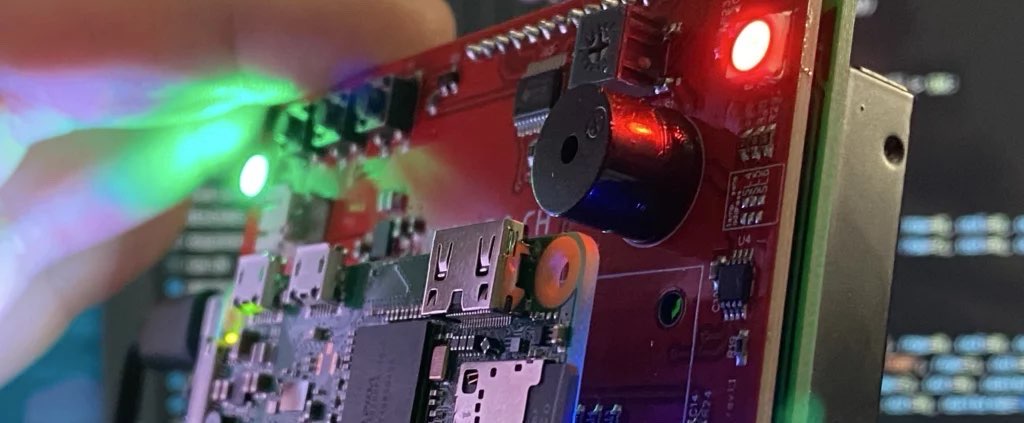
Choosing the right hardware is key to a smooth Bitcoin node experience. This article expands on the hardware section in What Is a Bitcoin Node and Why You Need One, providing in-depth reviews. Top Hardware PicksRaspberry Pi 5: Best for beginners. Affordable ($60–100), low power (5–10W). Setup guide in Bitcoin Node on Raspberry Pi. Intel NUC Mini-PC: Mid-range power. 16GB RAM, 2TB SSD (~$400). Handles full archival nodes easily. Custom Server Build: For pros. Ryzen CPU, 32GB RAM, 4TB SSD (~$800+). Ideal for high-bandwidth operations. Pre-Built Nodes: myNode or Start9 (~$300–500). Plug-and-play with extras like Lightning support—see Setting Up a Lightning Network Node.Factors to ConsiderStorage Needs: 650GB+ for full nodes; prune for less. Power Consumption: Aim for under 50W for home use. Privacy Enhancements: Pair with VPNs from Bitcoin Privacy Best Practices.Benchmarks (2026 Estimates)Sync Time: Pi (3–7 days), NUC (1–2 days), Server (<1 day). Monthly Bandwidth: 30–60GB.Conclusion Invest in hardware that fits your needs to strengthen Bitcoin. Connect this with our foundational node guide and Pi-specific tutorial.
- Nefu
- 29 Dec 2025
- Infrastructure tech
How to Set Up a Bitcoin Node on Raspberry Pi: Step-by-Step Guide
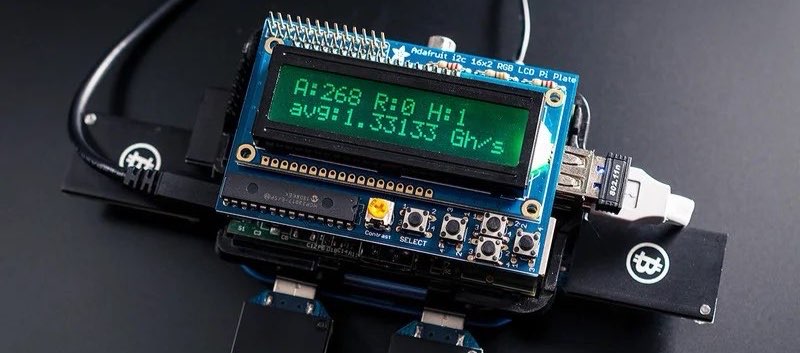
Running a Bitcoin node on a Raspberry Pi is an accessible way to contribute to the network while maintaining your privacy. This guide builds on the basics from our What Is a Bitcoin Node and Why You Need One article, focusing on a budget-friendly hardware setup. Why Raspberry Pi for Your Bitcoin Node?Low Cost: Under $100 for the Pi 5 kit. Energy Efficient: Runs 24/7 without high electricity bills. Compact: Fits anywhere in your home. Enhances self-sovereignty, as discussed in our Bitcoin Privacy Best Practices guide.RequirementsRaspberry Pi 5 (4GB or 8GB model) 1TB microSD card or external SSD Stable internet connection Basic Linux knowledge (or follow our steps)Step-by-Step SetupInstall Raspberry Pi OS: Download from raspberrypi.com and flash to your microSD. Update System: Boot up, open terminal, run sudo apt update && sudo apt upgrade. Install Bitcoin Core: Add the Bitcoin PPA or download from bitcoincore.org. Verify signatures. Configure bitcoin.conf: Set pruned mode if space is limited (see our Best Hardware for Bitcoin Nodes for upgrades). Sync the Blockchain: Launch Bitcoin Core—it'll take 2–10 days initially. Connect Your Wallet: Use Electrum or Sparrow, pointing to your node's IP.Troubleshooting TipsSlow sync? Check internet speed. Overheating? Add a heatsink. For advanced features, explore Lightning integration from Setting Up a Lightning Network Node.Conclusion This setup empowers you to run a node affordably. Link it with our core guide on Bitcoin nodes for full context.
- Nefu
- 29 Dec 2025
- Infrastructure tech
What Is a Bitcoin Node and Why You Need One: Complete Guide for Beginners
Bitcoin's strength lies in its decentralization, and at the heart of that decentralization are Bitcoin nodes. While most people interact with Bitcoin through exchanges or lightweight wallets, running your own node gives you true independence and helps secure the network. This beginner-friendly guide explains exactly what a Bitcoin node is, the different types available in 2026, why you might want to run one, and practical ways to get started. We've expanded this guide with additional insights on advanced integrations and resources to help you build a complete node ecosystem. What Is a Bitcoin Node? A Bitcoin node is any computer running Bitcoin software (usually Bitcoin Core) that:Downloads and stores a complete copy of the Bitcoin blockchain Independently validates every transaction and block according to Bitcoin's consensus rules Relays valid blocks and transactions to other nodesNodes form the peer-to-peer network that makes Bitcoin truly decentralized—no company or government controls it. There are roughly 18,000–23,000 reachable full nodes worldwide as of late 2025, with many more running privately. This number has been steadily increasing as more users recognize the importance of contributing to the network's health. Types of Bitcoin NodesFull Archival NodeStores the entire blockchain (~600–650 GB in 2026) and fully validates everything from the genesis block onward. Most secure and private option. Ideal for users who want to maintain a historical record and perform in-depth analysis.Pruned NodeFully validates transactions but deletes older blocks after verification. Uses only 10–15 GB of space while maintaining high security. This is a great balance for most home users with limited storage.Light/SPV NodesUsed in mobile wallets (e.g., Electrum, BlueWallet). They rely on full nodes for data and offer less privacy and security. While convenient, they don't contribute to the network's decentralization.Running a full or pruned node is what most people mean when they say "run your own Bitcoin node." For those interested in scaling up, consider integrating with Layer 2 solutions like the Lightning Network, as detailed in our How to Set Up a Bitcoin Lightning Network Node. Why Run Your Own Bitcoin Node in 2026? You don't need a node to own or use Bitcoin, but running one offers powerful benefits: 1. Maximum Privacy When you use a third-party wallet or block explorer, they can see:Your IP address Which addresses you're checking Your full transaction historyYour own node queries the blockchain directly—no one spies on your activity. In an era of increasing surveillance, this level of privacy is crucial for protecting your financial sovereignty. 2. True Trustless Verification You personally enforce Bitcoin's rules (21 million cap, valid signatures, no double-spends). You don't have to trust any exchange, wallet provider, or developer. This "don't trust, verify" ethos is at the core of Bitcoin's philosophy. 3. Improved Security for Your Wallet Connect your hardware wallet (Ledger, Trezor, Coldcard) or software wallet (Electrum, Sparrow) directly to your node. Broadcast transactions privately and avoid fake data from malicious servers. This setup minimizes risks from man-in-the-middle attacks. 4. Contribute to Bitcoin's Resilience Every honest node makes the network stronger and more censorship-resistant. You help decentralize Bitcoin, ensuring it remains robust against potential threats from centralized entities. 5. Future-Proofing As Bitcoin grows, relying on third-party infrastructure becomes riskier. Your node ensures you always have direct access. With upcoming protocol upgrades, running a node positions you to adapt seamlessly. Additionally, nodes can serve as the foundation for more advanced features, such as routing payments on the Lightning Network, which can even generate small fees for you. Hardware and Software Requirements (2026) Running a full node is more accessible than ever:Storage: 650 GB+ free space (1–2 TB SSD recommended for future growth) RAM: 4 GB minimum, 8–16 GB ideal Internet: Reliable connection with decent upload speed (no strict data cap needed—initial sync uses ~600 GB download, then ~20–50 GB/month) Device options: Old laptop/desktop Raspberry Pi 5 (with external SSD) Dedicated mini-PC (e.g., Intel NUC) Pre-built solutions like myNode, RaspiBlitz, or Start9 EmbassySoftware: Bitcoin Core (free, open-source, most widely used). Alternatives include Knots or custom implementations. For detailed comparisons and recommendations on the best hardware setups, check out our Best Hardware for Running a Bitcoin Node in 2026. If you're leaning towards a compact, energy-efficient option, our How to Set Up a Bitcoin Node on Raspberry Pi provides a hands-on tutorial. Easy Ways to Get Started Option 1: Bitcoin Core on a ComputerDownload Bitcoin Core from bitcoincore.org (verify signatures!) Install and launch—it begins syncing automatically Wait for initial sync (1–7 days depending on hardware/internet) Connect your wallet (Electrum, Sparrow) to your node for private useOption 2: Plug-and-Play Solutions (Recommended for Beginners)myNode or RaspiBlitz: Turn a Raspberry Pi into a full node + bonus apps (Lightning, Electrs) Start9 Embassy: User-friendly device with beautiful interface Umbrel: Popular home server with node + apps (podcasting, media, etc.)These come with one-click Bitcoin node setup and take minutes to configure. Many of these solutions also support easy Lightning Network integration, which you can explore further in How to Set Up a Bitcoin Lightning Network Node. Advanced Considerations Once your node is up and running, consider enhancing it with privacy tools like Tor for anonymous connections or integrating it with personal servers for additional services. Monitoring tools can help track your node's performance and uptime. For those interested in earning from their node, opening Lightning channels allows you to route transactions and collect fees, turning your setup into a productive asset. Common Myths Debunked"It costs a lot" → A basic setup costs $200–400 one-time "It uses too much electricity" → Comparable to a light bulb (~10–30W) "I don't have technical skills" → Modern solutions are point-and-click "It's only for experts" → Beginners can start with guided setups and scale up as they learnFinal Thoughts Running a Bitcoin node is one of the most meaningful ways to participate in Bitcoin beyond just buying and holding. It aligns perfectly with self-custody principles covered in our Security & Privacy pillar, especially when paired with hardware wallets and secure seed phrase storage. Whether you choose a simple pruned node on an old computer or a full-featured Umbrel setup, you'll gain privacy, independence, and the satisfaction of strengthening Bitcoin. Start small—your future self (and the network) will thank you. This article is part of our Bitcoin node cluster. For more in-depth guides, see:How to Set Up a Bitcoin Node on Raspberry Pi Best Hardware for Running a Bitcoin Node in 2026 How to Set Up a Bitcoin Lightning Network NodeFor more on Bitcoin fundamentals, revisit How to Buy Bitcoin for Beginners and Bitcoin vs Ethereum.